

Oil prices fall as Hormuz reopening hopes ease supply fears
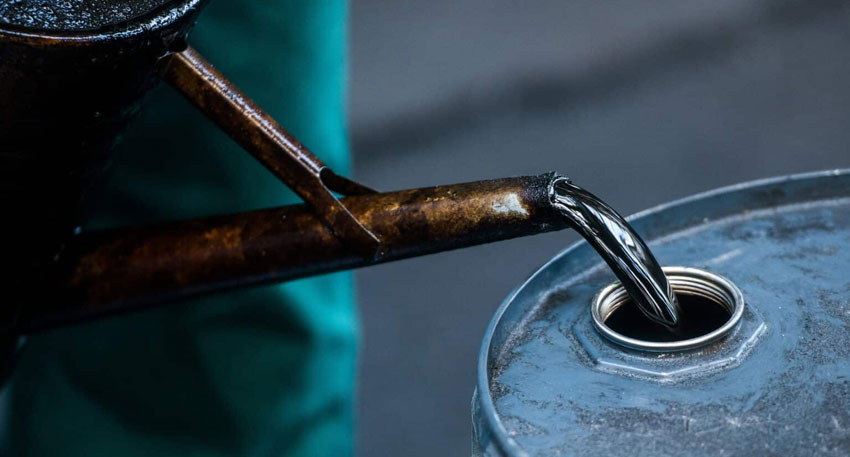
Global crude oil prices continued to decline on Thursday as investors assessed diplomatic efforts involving Iran and Qatar and their possible impact on the Strait of Hormuz.
Brent crude futures fell 41 cents, or 0.5%, to $87.40 a barrel, while US West Texas Intermediate (WTI) dropped 37 cents, or 0.5%, to $81.80. Brent is heading for a fourth consecutive daily decline, while WTI is set for its fifth.
Meanwhile, UAE Murban crude rose 0.35% to $93.77 a barrel.
Hormuz reopening lifts market hopes
Iranian sources said Tehran and Oman were close to finalising details of an agreement concerning control of the Strait of Hormuz and the distribution of related revenues.
The waterway is one of the world's most important energy routes. Before the conflict, around one-fifth of global oil and natural gas consumption passed through the strait, but shipments have reportedly fallen to about one-quarter of pre-war levels.
ANZ senior commodity strategist Daniel Hynes said improved prospects for reopening the strait had put pressure on crude prices, although supply shortage concerns remained.
Diplomatic talks in focus
Qatar's prime minister is expected to visit Iran on Thursday as diplomatic efforts to end the months-long conflict resume.
However, major differences remain between the parties, while Iran's nuclear programme continues to be a key issue. Analysts expect uncertainty around the strait and a war-related risk premium to remain in oil prices.
Diesel market faces pressure
The global diesel market is also under pressure as Middle Eastern refinery damage and disruptions to Russian refinery output reduce export supplies.
US distillate inventories, including diesel and heating oil, fell by 2.2 million barrels to 103.4 million barrels in the week ending August 21, according to the US Energy Information Administration.


