Budget 2026-27: One percent fixed tax scheme for shopkeepers proposed
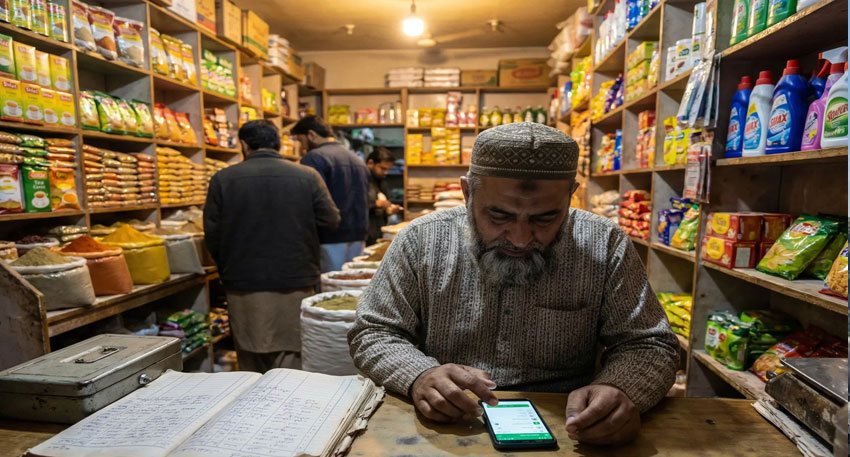
The plan promises simpler taxes and fewer compliance requirements. The federal government has proposed a simple and unique fixed tax system for small shopkeepers in the new fiscal year’s budget. Under the proposal, traders with annual business turnover of less than Rs2 billion will pay only a one percent fixed tax.
During his budget speech in the National Assembly, Finance Minister Muhammad Aurangzeb said eligible shopkeepers will also be able to adjust withholding tax deducted on their purchases. However, a minimum payment of Rs25,000 will be mandatory when filing the tax return.
According to the finance minister, one of the biggest benefits of the scheme is that traders choosing the fixed tax system will not face routine audits. This is expected to reduce compliance burdens for small businesses.
He added that participating shopkeepers will also be exempt from withholding tax obligations on purchases. In addition, they will not be required to install POS machines under the proposed framework.
Also read: Rs18.8tr Budget for FY2026-27: Here’s everything you need to know
The government has also suggested issuing a special green identification board to traders enrolled in the scheme. The board will carry a verified QR code and can be displayed outside the shop.
Officials said FBR officers will not be allowed to enter such registered shops for routine inquiries. The measure is aimed at protecting traders from unnecessary interference and improving ease of doing business.
Another key feature of the proposal is a simplified tax return form. The return will consist of only one page and will be available in Urdu as well as other local languages to help small business owners complete it easily.
The government believes the new system can encourage more traders to join the tax net. It may also improve tax compliance by making the process easier and more business-friendly.
The proposal focuses on making taxation easier for small traders. Reduced paperwork and audit exemptions could attract more businesses into the formal economy. Its success will depend on how smoothly the system is implemented and accepted by traders.