

UAE airspace reopens and Dubai, Abu Dhabi prepare for flight surge
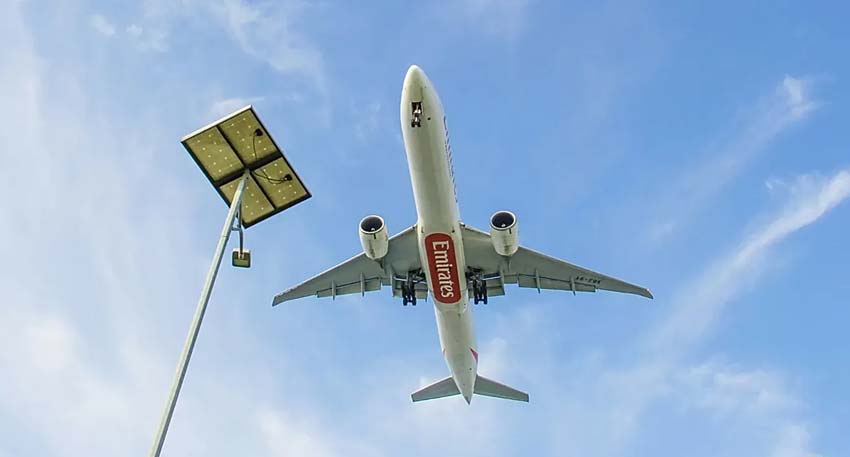
The United Arab Emirates lifted all temporary airspace restrictions after months of disruption linked to the United States-Israel conflict with Iran. Authorities said normal operations have now resumed across the country’s airspace.
The General Civil Aviation Authority said all air operations have returned to “normal status”. It added, “Following a comprehensive evaluation of operational and security conditions, we have officially lifted the temporary precautionary measures previously in place”.
Officials said the situation will continue to be monitored closely. Any change in regional conditions will be reviewed to ensure safe flight operations.
For travellers passing through Dubai and Abu Dhabi, the decision marks an important return to smoother journeys. It is also being seen as a major step forward for aviation recovery across the Middle East.
Read more: Five smart ways to book cheaper flights and cut travel costs
Major hubs in Dubai and Abu Dhabi had been operating under strict restrictions since February when the conflict began. The regional crisis had caused serious disruption to air travel across Gulf countries.
During the conflict, retaliatory Iranian strikes forced several countries in the region to close parts of their airspace. At least eight countries announced full or partial airspace closures, affecting routes between Europe and Asia.
Airlines across the UAE were also affected by the disruption. Etihad suspended departures from Abu Dhabi, while Emirates and flydubai temporarily halted parts of their operations.
Dubai Airports welcomed the latest decision and said flight movements would now increase. “With airspace within the UAE now fully restored, Dubai Airports is moving decisively to scale up operations, increasing flight movements in line with available regional routing capacity.”
According to aviation data firm Cirium, more than 11,000 flights in and out of the region were cancelled in the first few days of the conflict. In March, operations started to improve gradually, and Dubai’s national carriers returned to 44.6% of normal levels.
The full reopening is expected to support airlines, airports and passengers across the region. It may also help restore confidence in one of the world’s busiest international travel corridors.
The reopening shows that regional air travel is moving back towards stability. If conditions remain calm, passengers may see more routes and fewer disruptions in the coming weeks.


