

Saudi Arabia extends Riyadh airport shutdown until October 17 after attacks
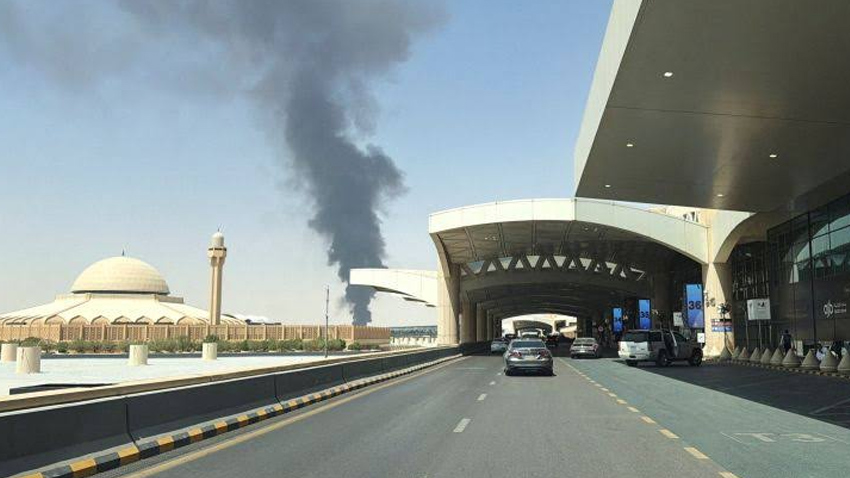
Saudi Arabia extends Riyadh airport shutdown
Saudi Arabia has extended the closure of King Khalid International Airport in Riyadh until October 17 following a series of missile and drone attacks targeting the capital.
Authorities announced the decision on Monday as they continued to inspect airport facilities and assess the damage caused by the attacks. The extended closure is intended to give civil aviation officials and security agencies more time to confirm that the airport is safe and ready to resume operations.
A Notice to Air Missions (NOTAM) stated that the airport would remain closed until 2100 GMT on October 17. The extension means passengers and airlines will continue to face disruption while authorities carry out the necessary safety checks.
Nearly 700 flights a day affected
The airport shutdown has severely disrupted air travel to and from Riyadh.
Flight-tracking service Flightradar24 said the closure affects nearly 700 flights per day. The disruption has forced airlines and passengers to reconsider their travel plans while operations remain suspended.
King Khalid International Airport is one of Saudi Arabia’s major aviation hubs. Its closure has affected passengers travelling to the Saudi capital for business, work, tourism and other purposes.
Airlines must also adjust their schedules and make arrangements for affected passengers. Travellers with bookings to or from Riyadh should contact their airlines for the latest information about cancellations, alternative arrangements and refunds.
The duration of the disruption will depend on the completion of safety checks and the authorities’ assessment of the airport’s readiness to resume operations.
Deadly weekend attacks prompt extended closure
The decision to extend the shutdown followed a weekend of deadly attacks in Riyadh. According to reports, a strike on Saturday killed 13 people and injured more than 300 others.
Another attack on Sunday killed one person and injured several others, further raising concerns about the safety of airport facilities and nearby areas. The attacks have highlighted the risks facing civilian infrastructure amid the escalating conflict.
Authorities have continued assessing the situation as security forces respond to further missile threats. The closure is intended to ensure that airport operations do not resume until the necessary safety checks have been completed.
Saudi coalition reports missile interceptions
The Saudi-led coalition fighting Yemen’s Houthis said on Monday that its forces had intercepted and destroyed ballistic missiles launched towards Saudi Arabia. Coalition spokesman Colonel Turki Al-Maliki said two ballistic missiles fired towards Khamis Mushait had been intercepted and destroyed.
“Interception and destruction of two ballistic missiles launched by the terrorist Houthi militia towards Khamis Mushait,” Al-Maliki said in a statement posted on X.
The coalition also reported that its forces had destroyed another missile launched towards Riyadh earlier on Monday.
Also Read: Pakistani national killed, 11 injured in fresh attack on Riyadh airport
These announcements came as Saudi authorities continued responding to the attacks and reviewing security arrangements around key facilities. The reported interceptions highlight continuing security concerns as tensions between Saudi Arabia and the Houthis intensify.
What the airport closure means for passengers
The extended shutdown is likely to create further uncertainty for passengers scheduled to travel through Riyadh.
Travellers may face cancelled flights, changes to their itineraries and delays as airlines adjust their operations. Passengers planning to travel should check their flight status before leaving for the airport. They should also contact their airlines to ask about rebooking options and alternative routes.
Those travelling through other Saudi airports should check their flight details as well, particularly if their journeys include connections through Riyadh. Airlines and airport authorities are expected to provide updates as the situation develops, and more information becomes available.
The reported October 17 deadline does not necessarily guarantee that normal operations will resume immediately. Reopening will depend on the authorities’ safety assessments and any further official announcements.
Regional security concerns continue
The airport shutdown comes amid rising tensions involving Saudi Arabia and Yemen’s Houthi movement.
Repeated missile and drone attacks have increased concerns about the safety of civilian airports and other important infrastructure. The continuing threat has also created challenges for aviation authorities, which must balance the need to restore air travel with the need to protect passengers, airport workers and aircraft.
The latest extension indicates that authorities are prioritising safety inspections before allowing operations to resume. Further developments will depend on the security situation and the results of the ongoing assessments.


