

Red Sea shipping drops sharply after Houthi attacks on Saudi oil facilities
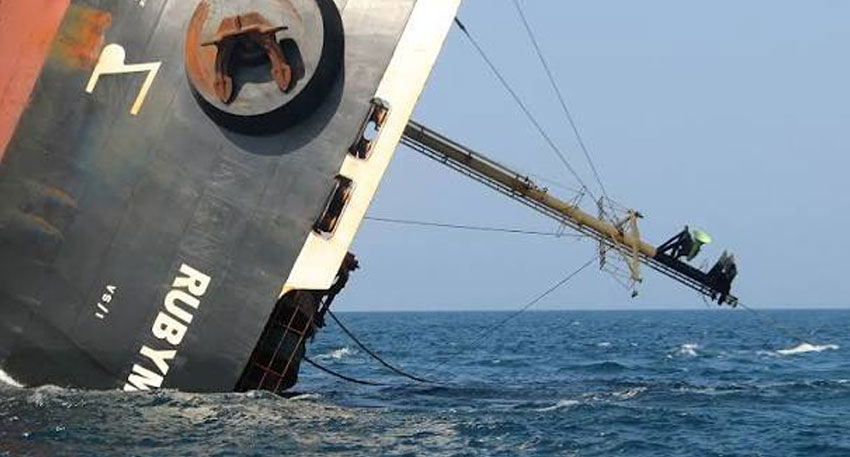
Commercial shipping through the Red Sea has slowed significantly after Yemen's Houthi rebels targeted Saudi Arabian oil facilities and announced a naval blockade, increasing concerns over the safety of one of the world's busiest maritime trade routes.
According to Reuters, citing maritime analytics platform Kpler, only 11 commercial vessels passed through the Bab el-Mandeb Strait on Sunday, marking the lowest daily traffic recorded in several months. The sharp decline reflects growing fears among shipping companies over possible attacks in the region.
Of the 11 ships, seven were oil tankers. Three entered the Red Sea, while four exited the waterway. Analysts believe many shipping operators are delaying or rerouting voyages until the security situation becomes clearer.
Data also showed that fewer than 10 vessels per day crossed the Strait of Hormuz on both Saturday and Sunday, despite the United States and Iran temporarily suspending military strikes against each other. The reduced traffic suggests shipping firms remain cautious even as tensions appear to have eased.
On Saturday, only three ships crossed with their transponders switched off, while seven vessels used the route on Sunday. Among them were three Iran-linked oil tankers that exited the Strait of Hormuz, highlighting continued energy exports despite regional uncertainty.
The Red Sea and the Strait of Hormuz are among the world's most critical energy corridors, carrying millions of barrels of crude oil and petroleum products every day. Any disruption to these routes can affect global oil supplies, freight costs and energy prices.
Maritime experts are closely monitoring the situation, warning that further attacks or escalation could disrupt international trade and place additional pressure on global energy markets.


