
Qalibaf calls talks with US ‘aggressive diplomacy’ as tensions remain high
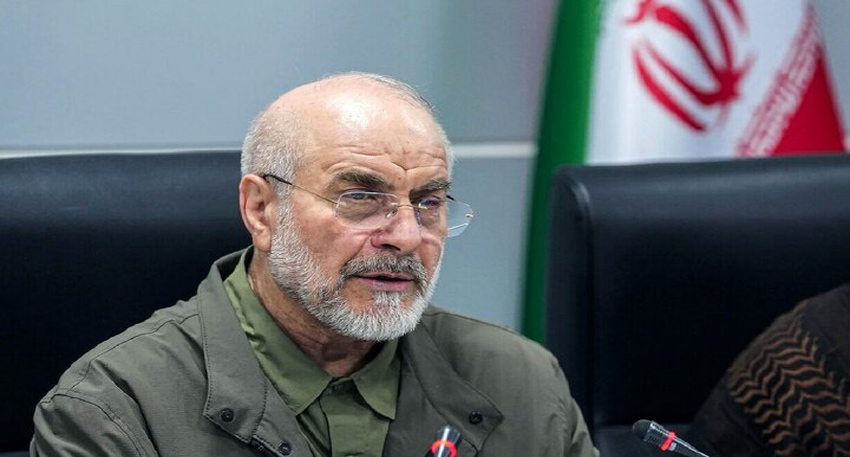
Qalibaf explains Iran’s position
Baqer Qalibaf said the US Iran negotiations produced important results for Tehran. He claimed US President Donald Trump recognised Iran’s position on the so-called ‘Axis of Resistance’ after signing a memorandum in Islamabad.
According to Qalibaf, Washington had wanted Tehran to set aside issues related to its missile and nuclear programmes, regional resistance groups and the Strait of Hormuz during the negotiations.
However, Qalibaf said the talks ended with the United States removing a blockade of the Strait of Hormuz on the same night. He presented this as a sign that Iran US talks allowed Tehran to maintain pressure while continuing diplomatic discussions.
Dispute over Trump’s statement
Qalibaf also spoke about a statement attributed to Trump regarding the Strait of Hormuz. He said Trump had written that Iran would also reopen the important waterway.
The Iranian speaker claimed that he instructed his negotiators to ask Trump to withdraw the statement. He said he warned that Iran could take military action if the statement was not removed.
Read Also: Trump threatens to declare Strait of Hormuz US territory
Qalibaf further claimed that Trump deleted the second part of the statement from social media around 58 minutes later.
The US Iran negotiations are taking place against a wider background of disagreements over Iran’s nuclear programme, missile capabilities and regional activities. Because of this, the Iran US talks remain closely linked to broader security concerns in the Middle East.
Qalibaf also warns Israel
Qalibaf also discussed Israel’s military actions in Lebanon. He said Israel had attacked the Dahieh area and that he had warned against further attacks.
According to his account, Israel later avoided another attack after receiving a warning that a wider area could be targeted.
His remarks show how closely the US Iran negotiations are connected with other regional conflicts. Iran, Israel and the United States remain involved in several disputes, making any change in their relations important for the wider region.
The Strait of Hormuz is another major concern because of its importance to international energy shipments. Any serious disruption there could have consequences beyond the Middle East.
Read Also: Trump announces up to 100% tariffs on imported drones
What could happen next?
The latest comments suggest that Tehran wants to present diplomacy as a way of applying pressure rather than simply making concessions.
The Iran US talks could remain important as both sides attempt to manage their differences through negotiations. However, the claims made by Qalibaf represent the Iranian side’s account of the discussions and should be independently verified.
For now, the US Iran negotiations remain under close watch. Any major development involving Iran, the United States or the Strait of Hormuz could affect regional security and international energy markets.