

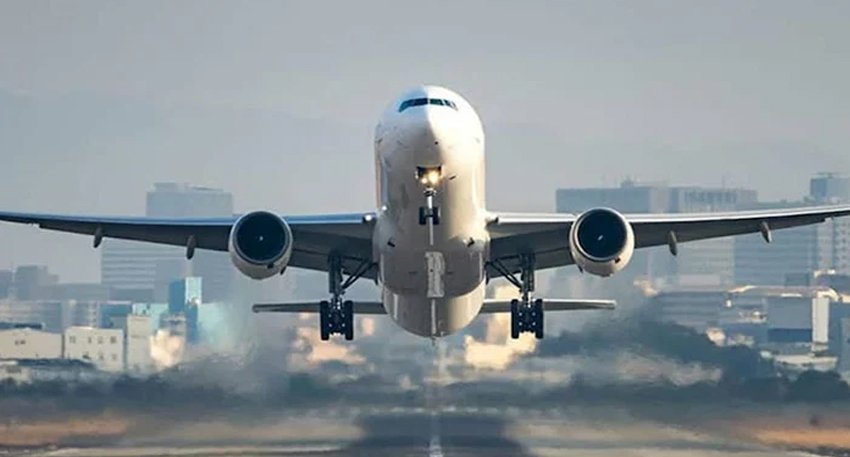
A major Middle East airspace closure has plunged global aviation into crisis after 10 countries shut their skies, disrupting thousands of international flights and stranding millions of passengers.
According to international media reports, the airspace of Iran, Iraq, Israel, Kuwait, Bahrain, Qatar and Syria has been officially and completely closed.
Meanwhile, the airspace of United Arab Emirates, Lebanon and Jordan also remains shut for flight operations.
Global Aviation Crisis Deepens
The widespread airspace shutdown has led to large-scale flight cancellations, emergency rerouting, and operational delays across Asia, Europe, and the Gulf region.
Airlines are scrambling to adjust flight paths, resulting in longer travel times and increased fuel costs. Major transit hubs in the Gulf have reported overcrowded terminals as stranded passengers await updates.
According to flight tracking platform Flightradar24, some airlines are avoiding the airspace of Pakistan and Afghanistan as a precautionary measure, although no official closure has been announced in those areas.
Also Read: PIA suspends flights to UAE, Gulf countries amid Middle East crisis
Pakistan Airspace Remains Open and Safe
A spokesperson for the Pakistan Civil Aviation Authority confirmed that Pakistan’s airspace remains fully open and safe for all types of flights.
Authorities reassured international carriers and passengers that flight operations across Pakistan continue without disruption.
Saudi Arabia Airspace Open Amid Regional Shutdown
Despite the ongoing crisis, Saudi Arabia has kept its airspace open, and airport operations remain normal. This has provided limited relief to Gulf travelers amid the broader aviation emergency.
However, millions of passengers across the region continue to face uncertainty as geopolitical tensions disrupt international air travel.
Impact on Millions of Travelers
Travel experts warn that prolonged Middle East airspace closures could severely impact global aviation networks, cargo supply chains, and tourism flows.
With 10 countries closing their skies, airlines may continue rerouting flights for days or even weeks if the situation escalates further.


