

Israeli opposition leader calls Khamenei’s killing a major strategic mistake
Golan questions Israel’s decision
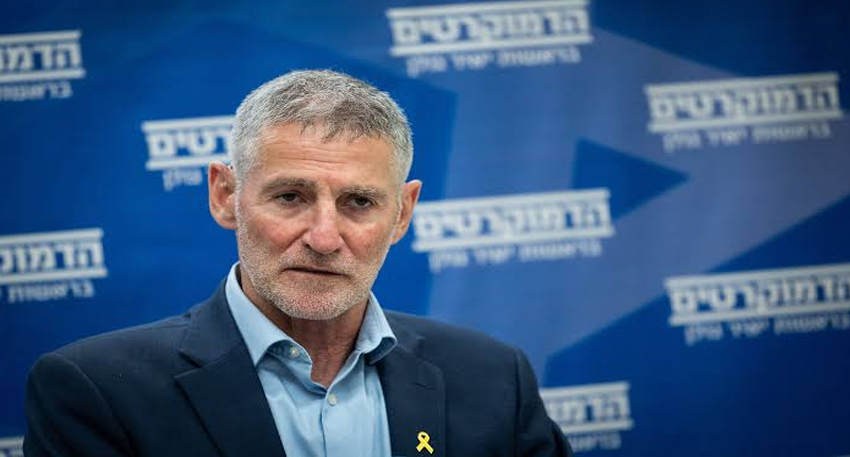
Yair Golan, head of Israel’s Democrats Party and a former deputy chief of staff, has criticised the decision to kill Khamenei.
In an interview, Golan said removing the Iranian leader did not serve Israel’s strategic interests. Instead, he argued, the move strengthened more hardline and violent groups within Iran.
His comments have raised questions about whether Israel achieved its intended goals through its actions against Iran.
Netanyahu’s war goals criticised
Golan also criticised Israeli Prime Minister Benjamin Netanyahu over the objectives set for the war against Iran.
According to Golan, the goals were unrealistic and could not be achieved. He said the effort to bring down Iran’s government had failed, leaving Israel in a worse strategic position.
His remarks suggest that military action alone may not deliver the political changes a government hopes to achieve.
Khamenei’s successor may strengthen hardliners
Golan also discussed the impact of Khamenei’s killing on Iran’s leadership.
He said the rise of Khamenei’s son, Mojtaba Khamenei, to the leadership had increased the influence of hardline groups in Iran. Golan considers this development harmful to Israel’s interests.
Read Also: Trump's approval hits record low before midterms
The comments highlight a possible consequence of removing a long-serving leader: the successor may take an even tougher position towards an opposing country.
Golan also suggested that the presence of an ageing leader who has remained in power for many years can sometimes benefit an opposing country. His argument is that removing such a leader does not automatically produce a more favourable political situation.
What does this mean for Israel?
Golan’s remarks challenge the idea that eliminating a key leader necessarily weakens a country or changes its political direction.
Although Israel’s actions were aimed at achieving strategic goals, Golan believes the outcome has strengthened hardline elements instead.
His comments also raise questions about the long-term effects of military operations and whether their consequences match the original objectives.


