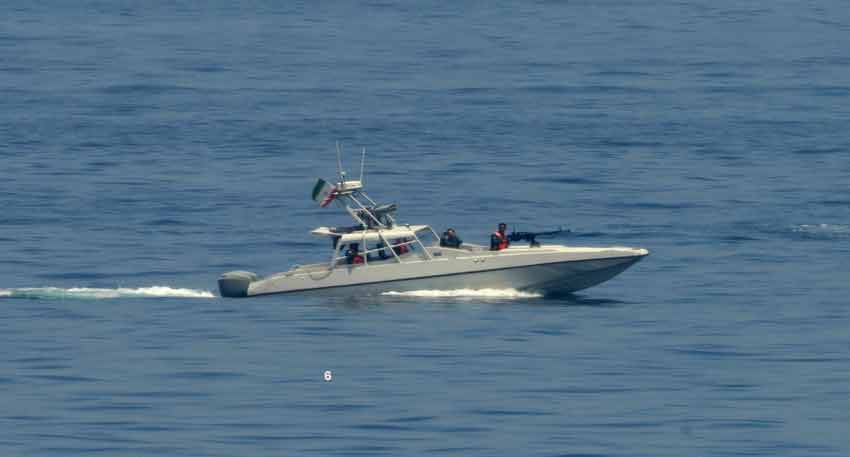
Iran’s Islamic Revolutionary Guard Corps (IRGC) has issued a strong statement regarding shipping through the Strait of Hormuz, saying vessels from certain countries may only be allowed passage under specific political conditions.
According to a statement shared by Iran’s state media on social platform X, the Revolutionary Guards announced that ships from Arab or European countries could pass through the Strait of Hormuz only if their governments expel United States and Israeli ambassadors.
The declaration comes amid escalating Middle East tensions involving Iran, the United States, and Israel, raising concerns about global oil supply routes and maritime security.
Strait of Hormuz: A Vital Global Oil Route
The Strait of Hormuz is one of the world’s most strategic maritime chokepoints. Nearly 20 percent of global oil shipments pass through the narrow waterway, connecting the Persian Gulf to international markets.
Any disruption in the strait could significantly impact global energy markets, oil prices, and international shipping routes.
Recent geopolitical tensions in the Middle East have already caused reduced shipping activity through the strait, triggering volatility in global crude oil markets.
Also Read: Trump signals Iran war could end soon
US Warning to Iran Over Shipping Disruption
In response to the Iranian statement, US President Donald Trump issued a stern warning, saying the United States would respond strongly if Iran attempted to disrupt navigation or interfere with global oil supplies.
Trump stated that any effort to block shipping lanes or threaten energy supplies would not be tolerated, emphasizing that the United States and its allies have the capability to respond decisively.
Iran’s Response to US Threat
Iran’s Revolutionary Guards reacted strongly to the US warning, declaring that Tehran will determine when the conflict ends. The IRGC also warned that if attacks from the United States and Israel continue, Iran could halt oil exports from the region entirely.
The statement underscores the rising tensions that could potentially escalate into broader economic and geopolitical consequences, particularly for global energy markets.
Also Read: Iran says strikes will continue, dismisses US talks
Rising Global Oil Market Concerns
Analysts say any restrictions or instability around the Strait of Hormuz shipping route could lead to sharp increases in global oil prices, as the strait remains a critical passage for oil exports from major producers in the Middle East.
Energy experts warn that prolonged disruptions could affect energy supply chains, shipping insurance costs, and international trade routes.
Authorities and global markets are closely monitoring the situation as diplomatic and military tensions continue to rise in the region.