

Iran will not surrender after Trump’s annihilation threat, says Pezeshkian
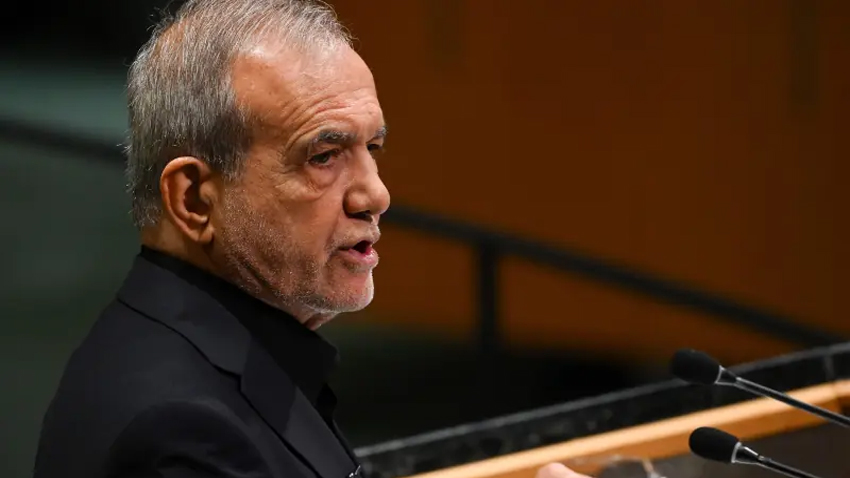
Pezeshkian rejects US pressure
Iranian President Masoud Pezeshkian delivered a firm message at the United Nations, saying Tehran would not surrender to Washington. He also said Iran remained open to negotiations to help end the conflict.
Pezeshkian criticised US President Donald Trump’s warning that Iran could be “annihilated” if an agreement was not reached. He said threats and pressure would only strengthen Iran’s resistance.
“(Trump) must know that the resistance of the Iranian people will only increase in the face of sanctions, increased pressure, increased bullying. We will never bow our head or bend at the knee,” he said.
Iran defends its military position
Pezeshkian defended Iran’s military actions as defensive and rejected claims that Tehran was seeking nuclear weapons. He said Iran would not give up its right to peaceful nuclear activities.
The Iranian president also accused Washington of using pressure against his country and criticised the US approach to the conflict. His speech came as tensions between the two countries remained high.
Pezeshkian also addressed the Strait of Hormuz, a major route for global oil and gas shipments. He said Iran could not accept a situation where others benefited from the waterway while using it against Tehran.
US and Iran hold indirect contact
The UN gathering also created an opportunity for US and Iranian officials to make contact through mediators. Iranian Foreign Minister Abbas Araghchi communicated with US envoys Steve Witkoff and Jared Kushner through mediators rather than meeting them face-to-face.
Trump described the contact as productive and said there was momentum toward a possible deal. Iran, however, said any progress would require an end to the war and a halt to what it described as US “acts of aggression”.
Iranian officials later clarified that Araghchi and Witkoff had not held a direct meeting. The diplomatic contact also triggered criticism from Iranian media linked to hardliners.
Strait of Hormuz remains key issue
The Strait of Hormuz has become one of the main points of tension in the conflict because of its importance to global energy supplies. Reuters reported that Tehran has conveyed conditions for reopening the strategic waterway through mediators.
The diplomatic moves came as the conflict continued to affect energy markets and regional security. Oil prices remained under pressure as investors watched for signs that US-Iran contacts could reduce tensions.
Pezeshkian’s UN speech showed that Iran is maintaining a tough public position while keeping diplomacy open. This leaves negotiations possible, but major differences between Tehran and Washington remain.
The latest contact through mediators suggests that communication has not completely stopped despite the continuing conflict. The positions expressed publicly by both sides, however, indicate that reaching an agreement could still face significant challenges.
Also read: Trump says US, Iran officials hold talks after ‘annihilate’ warning
Also read: Mohsin Naqvi meets Iran’s Revolutionary Guards chief in Tehran


