

Iran warns of ‘long and painful strikes’ if US resumes attacks
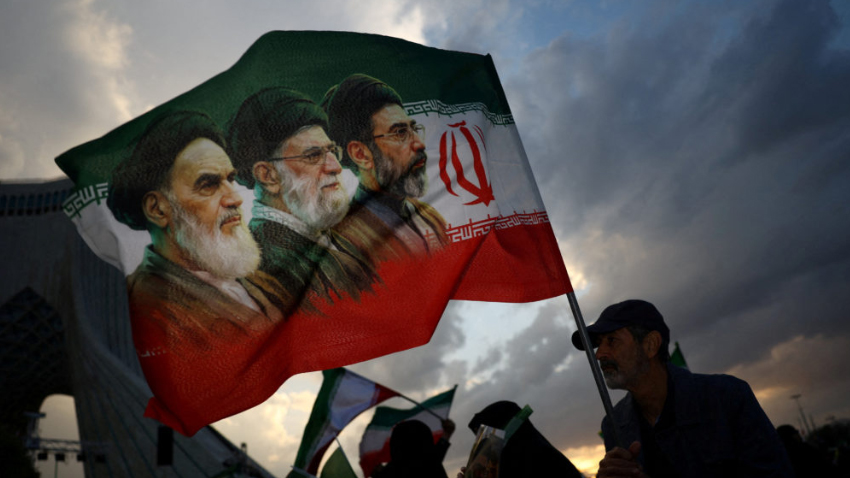
The warning comes at a time when efforts to end the ongoing crisis remain stalled, even though a ceasefire has been in place since April 8. However, Iran is still blocking key maritime routes in response to a US naval blockade.
The Strait of Hormuz, one of the world’s most important oil shipping routes, remains heavily disrupted. Around 20 percent of global oil and gas passes through this waterway, and the blockade has pushed energy prices higher worldwide.
US President Donald Trump is expected to be briefed on new military options, including possible fresh strikes aimed at forcing Iran back to negotiations. Reports suggest these plans include multiple strategic targets.
Oil markets reacted sharply to the developments, with Brent crude briefly rising above $126 per barrel before settling near $114, reflecting ongoing global uncertainty. Iranian officials have rejected expectations of quick progress in talks, saying negotiations will take time and will depend on realistic conditions from both sides.
At the same time, security concerns are increasing inside Iran. Reports from Tehran suggest air defence systems were activated after unidentified drones and surveillance aircraft were detected. Several countries, including the United Arab Emirates, have also warned their citizens to avoid travel to Iran, Lebanon, and Iraq due to rising regional instability.
Must Read: Oil prices drop sharply as global markets react
US officials continue to insist that Iran must not develop nuclear weapons, while also suggesting that fuel prices could drop once the conflict ends. Iran’s Revolutionary Guards warned that any new US attack, even a limited one, would trigger strong retaliation targeting US bases and naval forces in the region.
Iranian leaders have also reiterated their claim over the Strait of Hormuz, saying foreign forces have no right to operate in the area and will eventually be pushed out under future regional control.
United Nations officials have warned that if the crisis continues, global economic growth could slow, inflation may rise, and millions could fall into poverty due to disrupted energy supplies. The US is also considering new military and diplomatic options, including coalition-based plans to reopen the strait and restore global shipping.
Despite ongoing talks and mediation efforts from countries like Pakistan, no breakthrough has been achieved yet, and both sides continue exchanging warnings instead of moving toward compromise. Experts say the situation remains highly unstable, with a real risk of further escalation that could impact global oil markets, trade routes, and regional security in the coming weeks.


