Iran strikes US bases in Kuwait, Bahrain as Gulf tensions escalate
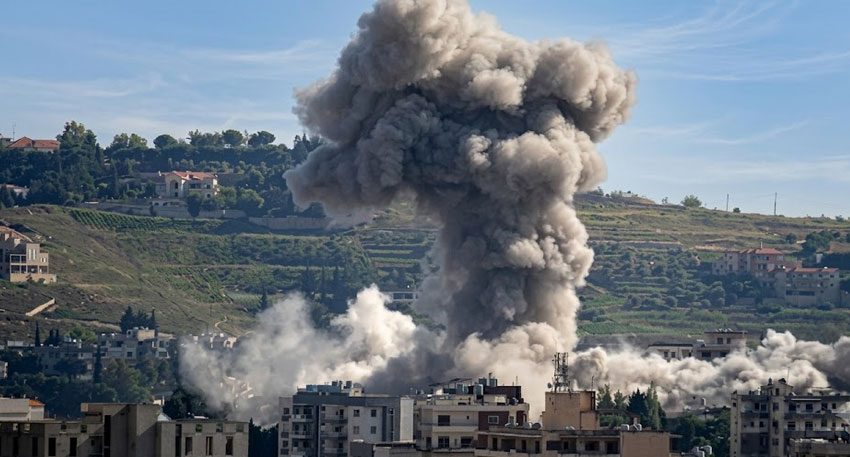
The Middle East conflict intensified after Iran claimed it launched missile strikes on US military facilities in Kuwait and Bahrain in response to reported American drone attacks inside Iranian territory. According to Iran’s Islamic Revolutionary Guard Corps (IRGC), its Aerospace Force targeted the Ali al-Salem Air Base in Kuwait and facilities linked to the US Navy’s Fifth Fleet in Bahrain using ballistic missiles.
Iran said the strikes were carried out after US drones allegedly attacked telecommunications sites on Qeshm Island and in Sirik. Iranian officials described the attacks as a direct response to what they called aggression against Iranian territory.
The IRGC warned that any further attacks could trigger a stronger response, including the possible closure of the Strait of Hormuz, a vital route for global oil and gas shipments. The warning has raised concerns in international energy markets. Meanwhile, the US military said it had targeted Iranian coastal radar and surveillance facilities after intercepting drones launched toward the Strait of Hormuz. US Central Command stated that the strikes focused on sites located in Goruk and on Qeshm Island.
A US official told Reuters that the drones were believed to be threatening regional maritime traffic. The military said several missiles launched during the latest exchange were intercepted before reaching their targets. In Kuwait, state media reported that air defence systems were activated to intercept missile and drone threats. In Bahrain, emergency sirens sounded, and residents were advised to seek shelter as a precaution.
Despite ongoing indirect negotiations between Washington and Tehran aimed at securing a temporary agreement to halt the conflict, progress remains limited. Key issues, including Iran’s nuclear programme, sanctions, oil exports, and regional security arrangements, remain unresolved.
Also Read: Experts issue alarming oil warning as crude prices eye $160 a barrel
Iran continues to demand access to frozen financial assets, relief from sanctions, and broader economic concessions as part of any future agreement. US President Donald Trump said most of Iran’s drone and missile production capabilities had been damaged during the conflict, although he acknowledged that Iran still retains a portion of its missile arsenal.
The conflict, which began after military action involving the US and Israel against Iran earlier this year, has already disrupted shipping routes, increased oil prices, and affected global supply chains. The United Nations World Food Programme recently warned that rising fuel and transportation costs linked to the conflict are pushing millions of people closer to food insecurity in vulnerable countries.
Meanwhile, tensions are also continuing in Lebanon. Hezbollah claimed attacks on Israeli forces in southern Lebanon, while reports indicated Israeli strikes in several Lebanese towns. Iran has maintained its support for Hezbollah and has linked any broader peace agreement to an end to Israeli military operations in Lebanon. Fighting in the region continues despite several ceasefire efforts.