

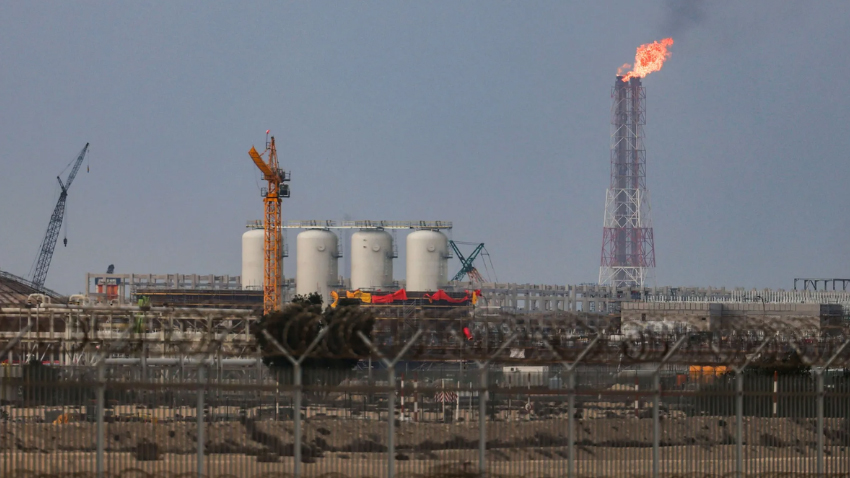
Iran has launched major aerial attacks on energy sites across the Gulf, causing serious damage to key facilities in Qatar, Saudi Arabia, the UAE, and Kuwait. The strikes have increased tensions and raised concerns about global energy supplies.
In Qatar, missile attacks hit Ras Laffan, the country’s main LNG hub, causing “extensive damage”. Fires broke out at multiple facilities, but emergency teams managed to bring them under control without any reported injuries.
Qatar Energy confirmed that several LNG units were affected. The Pearl gas-to-liquids plant also suffered damage, and operations are still being assessed.
The attacks came after Iran responded to earlier strikes on its own gas facilities. This back-and-forth has pushed the conflict to a more dangerous level.
In Saudi Arabia, a drone struck a refinery, while another missile was intercepted near Yanbu, a key oil export port. Damage reports are still being reviewed.
Kuwait also reported drone attacks on its Mina al-Ahmadi and Mina Abdullah refineries, where fires broke out at operational units.
In the UAE, authorities shut down gas facilities after intercepting missiles. Officials said debris from the attacks caused incidents at major energy sites, but no injuries were reported.
Must Read: Trump vows to hit Iran gas field if Qatar plant targeted again
The situation has drawn a strong reaction from Donald Trump, who warned Iran against further attacks. He said the US could take major action if Qatar’s LNG facilities are targeted again.
Qatar has also responded firmly, ordering Iranian officials to leave the country within 24 hours and calling the attack a serious threat to its national security.
Experts warn that continued attacks on energy hubs could disrupt global gas supplies. Since Qatar is one of the world’s top LNG exporters, any long-term damage could affect energy markets worldwide.
The conflict, which has been ongoing for weeks, is now spreading across the region, increasing fears of a wider war.


