
Iran strengthens military during ceasefire as Pakistan may host key nuclear talks
Iran’s military says it is using the ceasefire period to improve its combat readiness instead of slowing down its preparations. Officials say the armed forces are making full use of the pause to strengthen their capabilities for any future challenge.
Brigadier-General Mohammad Akraminia said the military will continue improving its strength during the ceasefire. He added, “We will not waste a single moment or neglect this.”
He also warned that any “enemy mistake” would receive a “decisive response” from Iran’s armed forces. According to him, the military remains fully prepared despite the current halt in fighting.
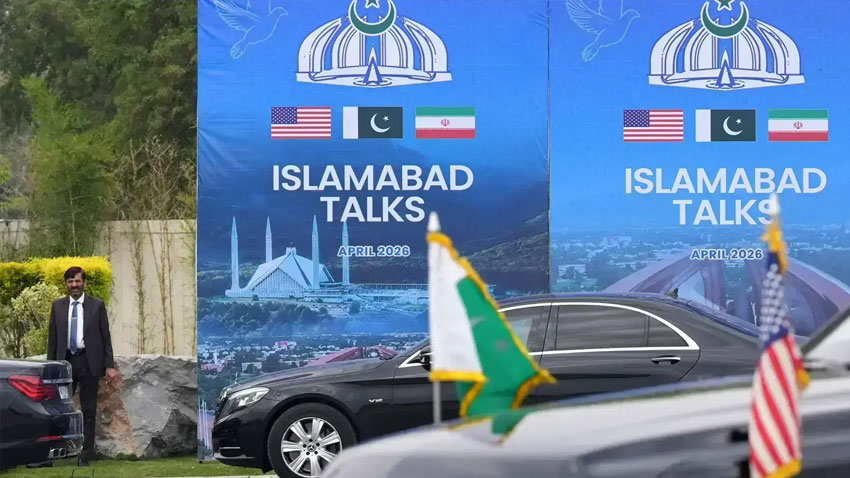
At the same time, diplomatic efforts between the United States and Iran are moving forward. Islamabad is emerging as the strongest candidate to host the next round of technical negotiations between the two countries.
Diplomatic sources said Islamabad and Switzerland’s Burgenstock resort are being considered as possible venues. However, they believe Pakistan’s capital is the more likely choice for the meeting.
The technical talks are expected to take place on July 11 if both sides agree on the final venue. The negotiations aim to keep diplomatic efforts alive and reduce tensions between Washington and Tehran.
Also read: Did Ali Khamenei own $200 billion assets? Iran inventory sparks debate
The discussions are expected to focus on Iran’s nuclear programme, sanctions relief and Iranian assets frozen abroad. Regional security, including stability in the Strait of Hormuz and maintaining the Lebanon ceasefire, will also be part of the agenda.
Officials said the meeting will continue work under the Islamabad Memorandum of Understanding signed two weeks ago. The agreement gave both countries 60 days to negotiate a broader deal on Iran’s nuclear programme and related issues.
The negotiations were delayed because Iran held several days of funeral ceremonies for its late Supreme Leader, Ayatollah Ali Khamenei. Iranian officials said details of their negotiating team will be announced after the ceremonies are completed.
Earlier this week, indirect technical talks were held in Doha with mediation from Qatar and Pakistan. US President Donald Trump described those discussions as “very good”, while Iranian officials claimed progress had been made on the possible release of billions of dollars in frozen Iranian assets.
However, US officials reportedly denied that any final agreement on the assets had been reached. Mediators have continued indirect contacts to help both sides maintain dialogue and avoid further tensions.
The previous high-level negotiations took place at Switzerland’s Burgenstock resort with support from Qatar and Pakistan. Those discussions produced a roadmap covering Iran’s nuclear programme, sanctions relief, maritime security and efforts to reduce regional tensions.
Diplomatic sources said negotiators made progress but warned that major differences still remain. The next round of high-level talks is expected in Doha during the third week of July after technical teams complete their work.
The military warning and diplomatic talks are happening at the same time, showing that Iran is preparing for both peace and possible conflict. If the negotiations continue successfully, they could reduce regional tensions, but any disagreement could quickly increase uncertainty again.