

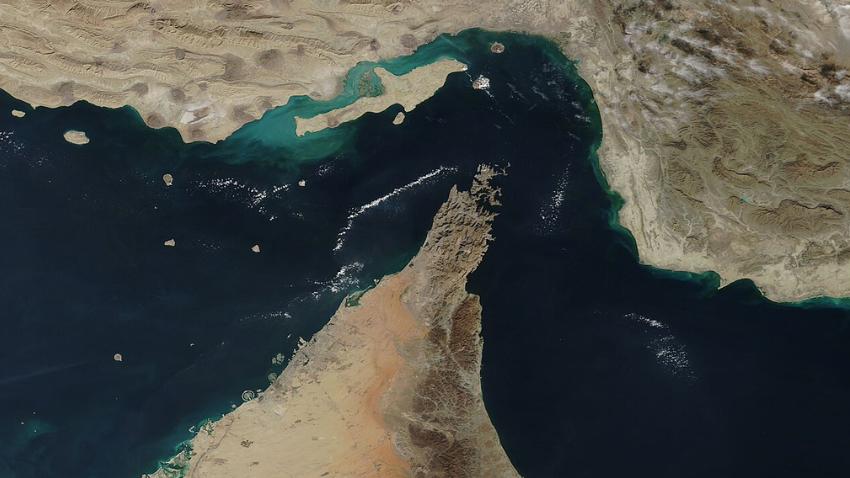
The announcement was made by Iran’s Khatam al-Anbiya Central Headquarters, which said transit through the strategic waterway has returned to tighter control rules. This development came just hours after Iran had briefly reopened the strait following a ceasefire deal in Lebanon. The short reopening had raised hopes of easing tensions in the region.
Iran had warned earlier that it could close the route again if US naval restrictions on Iranian ports continued. The Strait of Hormuz is one of the world’s most important oil shipping routes.
Iranian Foreign Minister Abbas Araqchi had earlier said the waterway was open for commercial shipping during a 10-day truce linked to US-brokered diplomatic efforts. However, uncertainty quickly returned as mixed statements from both sides created confusion over whether normal shipping could resume smoothly.
Reports said some ships attempted to pass through the strait but turned back due to unclear security conditions.
Must Read: Trump hints at Iran deal surprise as nuclear talks show progress
Former US President Donald Trump said the US blockade on Iranian shipping routes would remain until a final agreement with Iran is fully completed.
Iranian officials strongly rejected the US position. Senior negotiator Mohammad Baqer Qalibaf said the strait would not remain open if the blockade continues and accused Washington of making false claims.
The Strait of Hormuz normally handles around one-fifth of global oil trade, making it one of the most sensitive energy routes in the world. Trump also claimed there had been “good news” regarding talks with Iran, suggesting progress in negotiations, although he did not give details.
He said discussions were still ongoing and expressed hope for a long-term deal but warned that the ceasefire timeline may not be extended without agreement. Despite diplomatic signals, both sides continue to send conflicting messages, keeping global shipping markets and energy prices under pressure.


