

Iran closes Strait of Hormuz again over US and Israeli ceasefire violations
Despite the move, Iranian negotiators are still heading to Switzerland for talks with US officials.
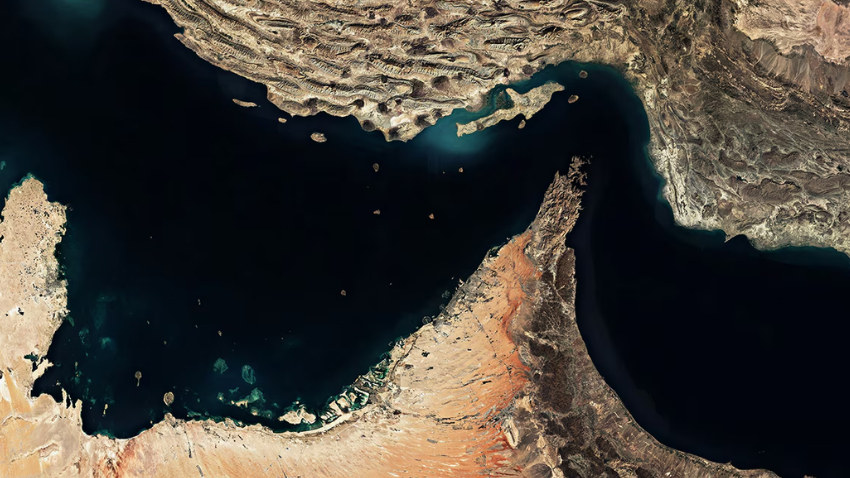
Iranian state television, citing a foreign ministry spokesperson, reported that Tehran has decided to shut the strategic waterway following what it described as repeated breaches of the ceasefire agreement. The development comes even as diplomatic efforts continue between both sides.
Iran’s top joint military command said the Strait of Hormuz was closed because of the US’s “clear breach of trust and violation of its commitment” under the first clause of the memorandum of understanding aimed at ending the conflict. The command also linked the decision to ongoing Israeli military operations in southern Lebanon.
The Strait of Hormuz is one of the world’s most important shipping routes and handles nearly one-fifth of global oil and gas supplies. Any disruption in the waterway could affect international energy markets and raise concerns over supply chains.
According to Iranian officials, the first clause of the agreement called for the “immediate and permanent termination of military operations on all fronts, including in Lebanon”. Tehran argues that continued military activity in Lebanon violates the spirit of the deal.
Israel has maintained that its operations against the Iran-backed Hezbollah group will continue in southern Lebanon. Israeli officials insist that military action is necessary to address security threats near the border.
Also read: Five Iranian ships pass Strait of Hormuz after US blockade lift
Iran’s joint military command warned that “if the aggression continues, subsequent steps have been planned.” The statement has increased concerns about further escalation across the region.
Commercial shipping had resumed through the Strait of Hormuz after the interim agreement between Washington and Tehran was signed earlier this week. The latest closure has now raised fresh uncertainty over maritime security.
US Vice President JD Vance said in an interview with Fox News that there was no evidence Tehran was closing the waterway. However, developments on the ground appeared to move quickly after his remarks.
Vance said negotiations with Iran were progressing positively and expressed confidence that the ceasefire could still hold. He confirmed that US representatives Steve Witkoff and Jared Kushner were in Switzerland for talks with Iranian negotiators.
The Israel Defence Forces said it remains committed to the ceasefire agreement reached with Hezbollah. At the same time, it stated that operations would continue to remove any threat to Israel and its soldiers.
The IDF claimed Hezbollah fired more than 50 projectiles at Israeli forces operating in southern Lebanon during several overnight incidents. According to the Israeli military, these attacks represent repeated violations of the ceasefire agreement.
In response, Israel said it carried out strikes on dozens of Hezbollah infrastructure sites and militants in southern Lebanon. The military said the operations were conducted to counter ongoing threats.
The closure of the Strait of Hormuz highlights how fragile the current ceasefire remains. Even while negotiations continue, events on the ground could quickly change the direction of the conflict.
Global markets will closely watch developments because any prolonged disruption in the waterway may impact oil prices worldwide. The coming talks in Switzerland could play a critical role in preventing a wider regional crisis.