

Indian cargo ship sinks after Red Sea attack near Yemen
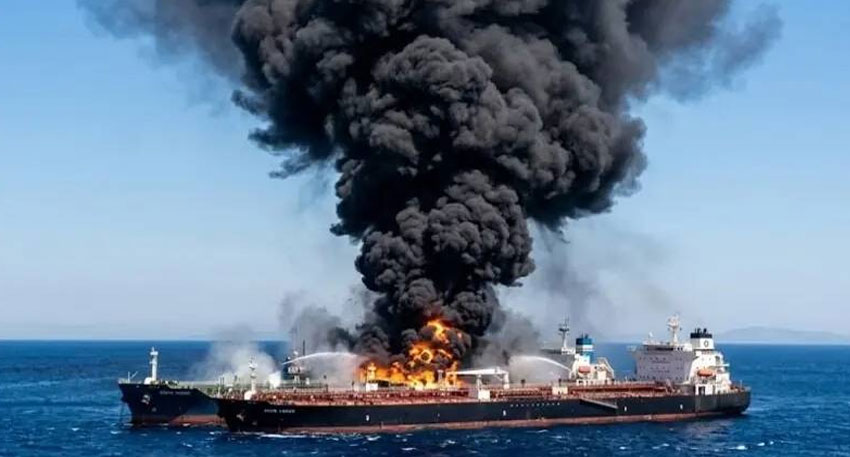
An Indian-flagged merchant vessel sank in the Red Sea near Yemen after being hit by a projectile, marking the latest escalation in maritime security threats in one of the world's busiest shipping routes.
According to international media reports, the attack occurred in waters near Yemen, where commercial vessels have increasingly faced security risks amid ongoing regional tensions. Despite the sinking of the vessel, all crew members were rescued safely by coast guard and rescue teams.
Local authorities confirmed that the ship was carrying 14 people, including 13 Indian nationals and one Yemeni citizen. The crew members were rescued after the attack took place south of the Yemeni port city of Hodeidah. No fatalities or serious injuries were immediately reported.
India condemns the attack
India's Minister of Ports, Shipping and Waterways, Sarbananda Sonowal, said on social media platform X that the merchant vessel had been struck by a projectile while sailing near Yemeni territorial waters.
The Indian government strongly condemned the incident, describing it as an unprovoked attack on a commercial vessel. Ministry of External Affairs spokesperson Randhir Jaiswal said attacks targeting merchant shipping in the region must stop immediately, stressing the importance of ensuring the safety and freedom of international maritime trade.
Indian officials said they are closely monitoring the situation and remain in contact with relevant authorities regarding the safety of Indian nationals operating in the region.
Houthis blamed for the strike
According to Yemen's state news agency, the attack has been attributed to the Iran-backed Houthi movement, which has repeatedly targeted commercial shipping in the Red Sea during the ongoing regional conflict.
Although the Houthis had not immediately issued a formal statement on the specific incident, the group has previously claimed responsibility for attacks on merchant vessels, oil tankers and energy infrastructure operating in the region.
Last month, the Houthis announced a maritime blockade targeting Saudi Arabia in the Red Sea, warning that ships linked to their opponents could face attacks. Since then, the group has claimed responsibility for several strikes against commercial and energy-related targets.
Red Sea remains a global shipping hotspot
The Red Sea is one of the world's most strategically important maritime corridors, connecting the Mediterranean Sea to the Indian Ocean through the Suez Canal and the Bab el-Mandeb Strait. A significant share of global oil shipments and international trade passes through this route every year.
Security experts say continued attacks on commercial shipping increase risks for global supply chains, shipping companies and insurance providers. Any prolonged disruption in the region could lead to higher transportation costs, delivery delays and increased pressure on international energy markets.
Maritime authorities continue to monitor vessel movements in the Red Sea while several countries have strengthened naval patrols to protect commercial shipping from further attacks.
The latest incident highlights the ongoing security challenges facing international trade in the region. While all crew members survived the attack, the sinking of another commercial vessel is expected to renew calls for stronger international efforts to safeguard one of the world's most vital shipping lanes.


