

Tarbela Dam nears full capacity as water level rises sharply
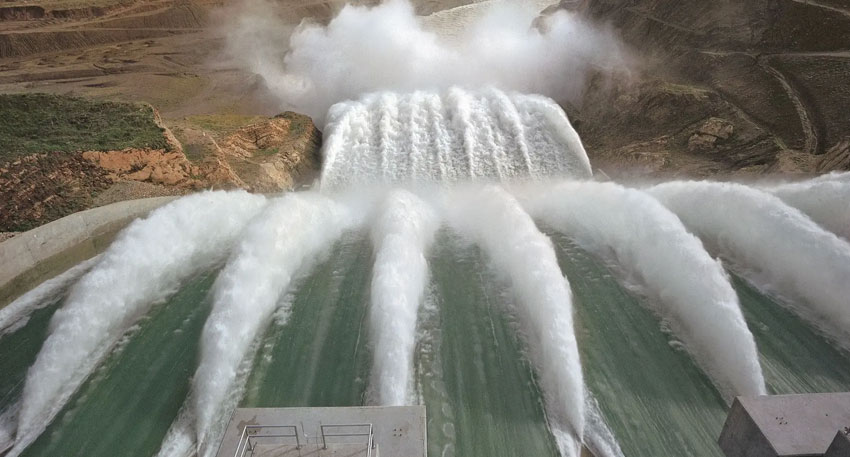
Tarbela Dam has reached 95 percent of its total storage capacity after a steady rise in water inflows, prompting authorities to revise spillway operations to safely manage the increasing water level.
According to official figures, the reservoir's water level has climbed to 1,545 feet, just 5 feet below its maximum conservation level of 1,550 feet. The rapid increase reflects continued inflows from recent rainfall and glacier melting across northern Pakistan.
Officials said the dam remains under close monitoring as water levels continue to rise. The latest figures indicate that Tarbela is approaching full capacity, making controlled water releases necessary to maintain safe operating conditions.
Spillway operations revised
In response to the rising reservoir level, the dam administration has decided to change the spillway configuration from the morning of August 5. Following the adjustment, water discharge through the spillways will increase to between 260,000 and 290,000 cusecs.
The controlled release is aimed at regulating the reservoir level while ensuring the structural safety of the dam. Water managers routinely adjust spillway operations during the monsoon season to accommodate heavy inflows and reduce pressure on the reservoir.
Authorities are also monitoring downstream river conditions to ensure that the increased water release does not create unnecessary risks for communities living along the Indus River.
Higher level than last year
Officials noted that on August 5 last year, Tarbela Dam had reached around 94 percent of its storage capacity. This year's level of 95 percent shows a slightly higher accumulation of water during the same period, highlighting the impact of recent weather conditions.
Pakistan has experienced widespread monsoon rains in recent weeks, with several regions reporting heavy rainfall, flooding and rising river flows. These conditions have significantly increased water inflows into major reservoirs, including Tarbela.
Experts say the availability of additional stored water is beneficial for irrigation, hydropower generation and future water management. However, they also stress the importance of carefully managing reservoir levels during the peak monsoon season to minimize flood risks downstream.
With more rainfall forecast in several parts of the country, officials are expected to continue closely monitoring inflows and adjusting water releases whenever necessary to ensure the safe operation of Pakistan's largest reservoir.


