

Hormuz Strait oil tanker traffic drops to two-month low
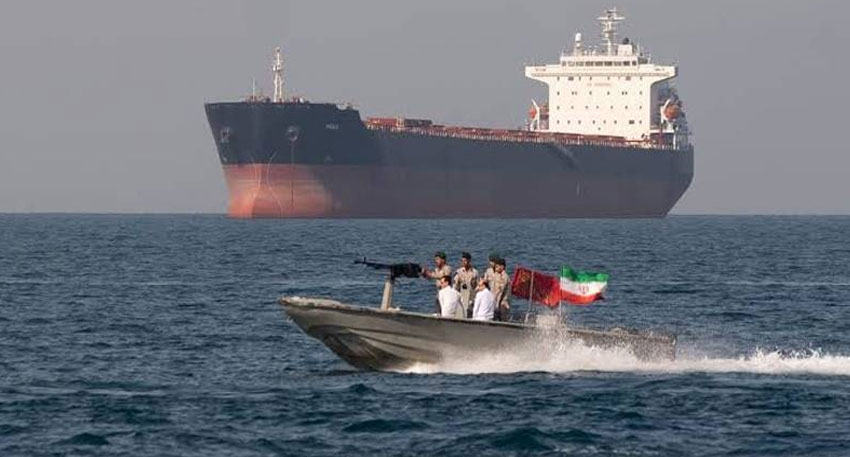
Oil tanker traffic through the strategic Hormuz Strait has dropped to its lowest daily level in more than two months, highlighting growing concerns over maritime security as tensions continue to rise in the Middle East.
According to data from ship-tracking analytics firm Kpler, only one oil tanker passed through the Hormuz Strait on July 23, marking the lowest daily figure since May 7. A day earlier, three tankers had crossed the vital waterway, while no new tanker entered the strait on July 23.
Shipping analysts say the sharp decline reflects increasing caution among vessel operators due to regional military tensions, fears of attacks on commercial ships and uncertainty surrounding maritime security. Many shipping companies are reportedly delaying departures or choosing alternative routes to reduce potential risks.
The Hormuz Strait is one of the world's most important energy corridors, linking the Persian Gulf with global markets. Around one-fifth of the world's crude oil and a significant share of liquefied natural gas (LNG) exports pass through the narrow passage, making any disruption a major concern for international energy markets.
Global oil prices have also moved higher as investors monitor developments in the region. Market participants fear that any prolonged disruption to shipping through the Hormuz Strait could tighten global crude supplies, increase transportation costs and push fuel prices higher worldwide.
Energy experts warn that continued instability in the Middle East could have far-reaching economic consequences, affecting inflation, trade and energy security. Governments and oil traders are closely watching the situation, as further disruptions in one of the world's busiest maritime routes could have an immediate impact on global oil markets.