

Al Jazeera cuts contracts with 24 Gaza journalists after years of frontline reporting
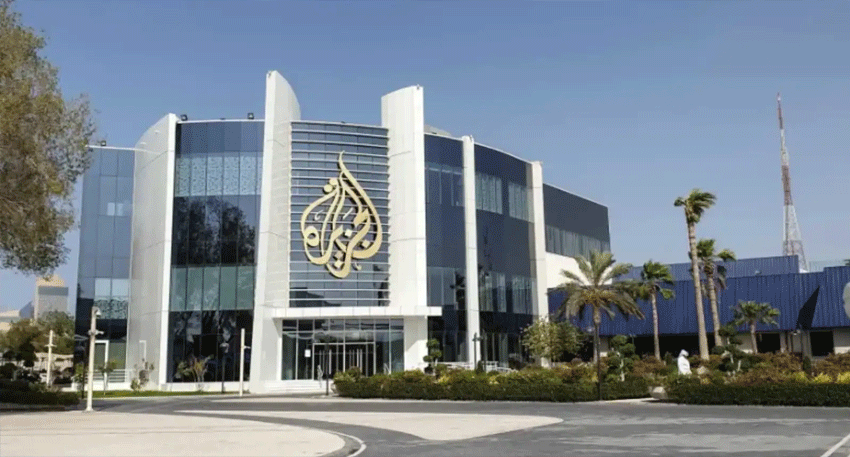
The journalists say they were informed that their existing contracts would no longer continue. They claim the move came after years of reporting from Gaza under extremely difficult and dangerous conditions.
The reported change does not necessarily mean that all of the journalists have been removed from journalism. Instead, they say they were referred to a private media company that could offer freelance work.
That arrangement is at the centre of the dispute. The affected journalists say freelance work would not provide the same level of protection as their previous contracts.
Al Jazeera Ends Contracts of 24 Gaza Journalists After Job-Security Assurances
— غزة 24 | التغطية مستمرة (@Gaza24Live) July 25, 2026
Exclusive | Gaza24Live
GAZA — Al Jazeera has ended the contracts of 24 journalists and media workers in the Gaza Strip, according to members of the team, despite earlier assurances that they would be… pic.twitter.com/VxjxeqpABH
Why the contract change matters
According to the journalists, the new arrangement would not guarantee permanent contracts, insurance or stable employment. They say this has created uncertainty for workers who have spent years reporting from one of the world’s most dangerous conflict zones.
The group also says its members previously received assurances about greater stability and future opportunities. They now want those earlier commitments to be respected.
The issue is particularly sensitive because Gaza journalists have continued working during severe shortages, displacement and repeated attacks. Local reporters have often remained on the ground while international media organisations have faced major difficulties covering events directly.
Al Jazeera’s own Media Institute has recently highlighted the difficult conditions faced by freelance journalists in Gaza. It said independent reporters work without institutional protection and financial safety nets while trying to document the realities of the conflict.
The reported contract changes therefore come at a time when questions about journalist protection remain highly important.
24 journalists seek stronger protection
The affected workers are calling for Al Jazeera to reconsider the decision. They want permanent or secure contracts, insurance and stronger guarantees about their future employment.
They also want the company to honour what they describe as earlier commitments made to Gaza-based journalists. The group says these protections are especially important because of the risks involved in reporting from the territory.
The journalists have reportedly warned that they may consider legal action if the matter cannot be resolved. Their position is that workers who have spent years carrying out dangerous assignments should not suddenly be left without stable employment protections.
Reports published in recent days have described a wider change involving Al Jazeera’s Gaza-based workforce. One report said the network had ended work with 26 journalists, while another reported that more than 20 journalists, correspondents, cameramen and producers had been affected.
The difference in the numbers may reflect different groups of workers or different stages of the reported changes. The figure of 24 comes from claims made by members of the affected team and should therefore be treated carefully until independently confirmed.
What Al Jazeera has said
The reports circulating about the contract changes have not been matched by a detailed public explanation from Al Jazeera in the sources reviewed for this story. That means the exact reason behind the reported employment decisions remains unclear.
It is also not clear from the available reporting whether the changes are temporary, part of a wider restructuring or linked to changes in how Al Jazeera covers Gaza.
This is an important point because employment decisions at a large media organisation can have several possible explanations. Financial planning, changes in coverage needs, staffing structures or contractual arrangements could all affect how journalists are employed.
At the same time, the journalists’ concerns deserve attention because freelance employment can provide fewer protections than permanent employment. Insurance and guaranteed income can be especially important for reporters working in dangerous environments.
Gaza reporting remains extremely difficult
The wider situation makes the dispute more significant. Journalists in Gaza have faced enormous risks while documenting the conflict, including shortages of equipment, damaged infrastructure and threats to their safety.
Al Jazeera has continued to publish reports about journalists in Gaza facing serious difficulties. A recent report said nearly 50 journalists in Gaza urgently needed medical treatment outside the territory, including reporters who were injured during the war.
The danger faced by journalists is not only physical. Freelancers can also face financial pressure because they may not have the same insurance, legal protection or guaranteed income available to staff employees.
For Gaza-based journalists, losing permanent employment could therefore have consequences beyond an ordinary workplace dispute.
Also Read: US launches airstrikes on Iran, hitting multiple cities
The next step could depend on whether Al Jazeera and the affected journalists can reach an agreement. The journalists are asking for their previous arrangements to be restored or replaced with contracts that provide meaningful employment protection.
If no agreement is reached, the group says legal action remains an option. However, there is currently limited public information about whether any formal legal case has actually been filed.
The dispute is also likely to attract wider attention because of the role Gaza journalists have played in keeping audiences informed during the conflict.
For now, the key issue is the difference between permanent employment and freelance work. The journalists argue that those who have taken major risks to report from Gaza should not be left without basic employment security.


