

Kagan and Soai win Nobel Prize in chemistry
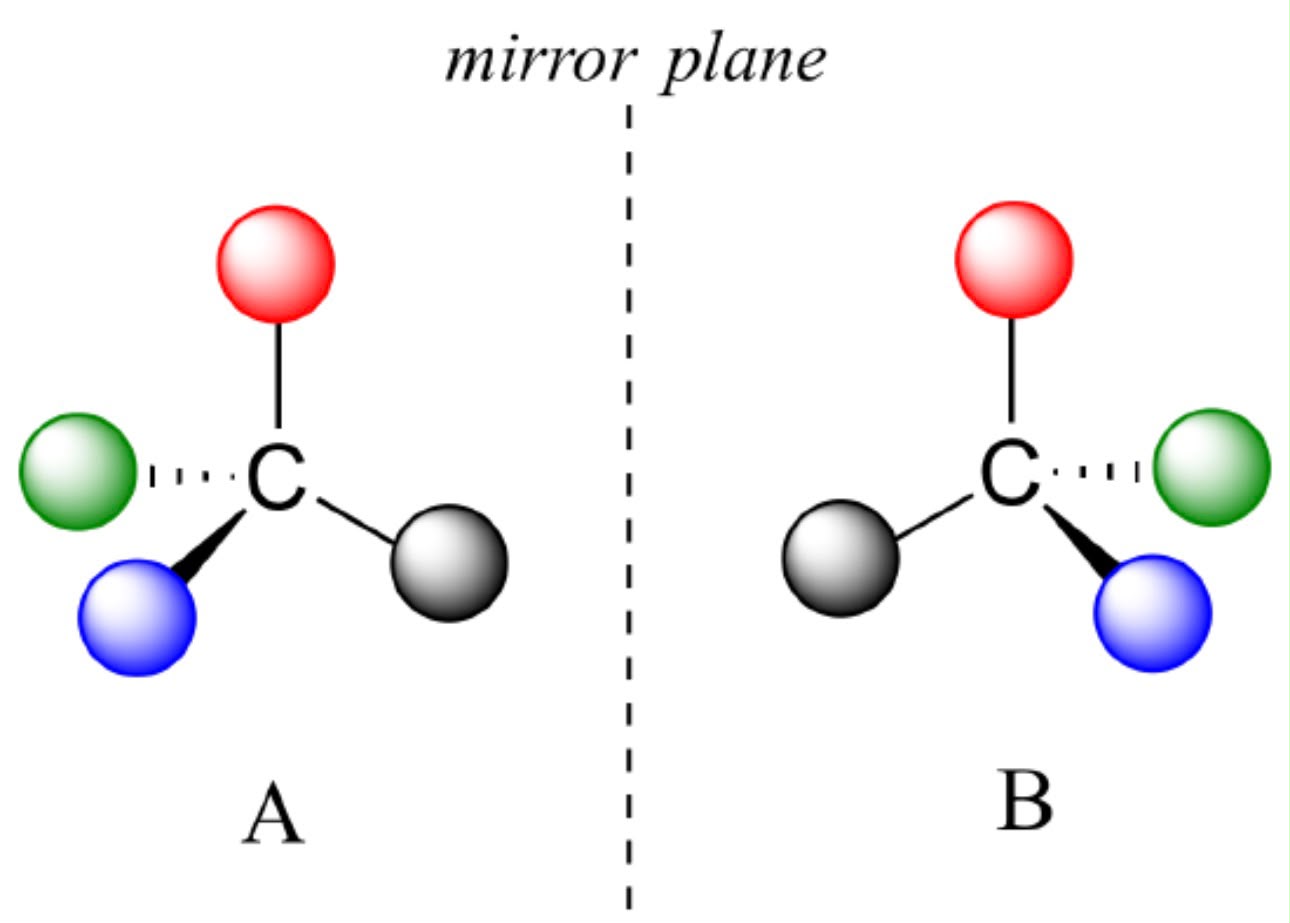
A prize for molecular handedness
The 2026 Nobel Prize in chemistry has been awarded to Henri Kagan of France and Kenso Soai of Japan for illuminating mirror-image molecules. The Nobel committee said their discoveries reshaped scientists' understanding of molecular chirality, a term derived from the Greek word for hand.
What the two scientists achieved
Many molecules exist in left-handed and right-handed forms that look alike but behave differently. In the 1980s, Kagan showed that reactions could be designed to favour one form over the other. Years later, Soai created the first chemical reaction that produced only one mirror image, now known as the Soai reaction. Soai discovered it in 1995 at the Tokyo University of Science.
Why it matters
Controlling chirality underpins the making of most modern medicines, because the two mirror-image forms of a drug can have very different effects in the body. Soai's reaction has also fuelled research into why life on Earth uses molecules of a single handedness. Kagan, born in 1930, is also known for the DIOP ligand used in asymmetric catalysis. Kagan earlier won the Wolf Prize in chemistry, while Soai received the Chemical Society of Japan award in 2010 for work on the origins of chirality. Their research is now cited across chemistry, physics, biology and space science.
Also Read: EU and Pakistan sign €65m deals for investment and energy
What comes next
The prize money this year is 12 million Swedish kronor, about $1.2 million. The Nobel Peace Prize will be announced on Friday, followed by the economics prize on Monday.


