
EU to sit down with Taliban Officials in Brussels over Afghan Deportations
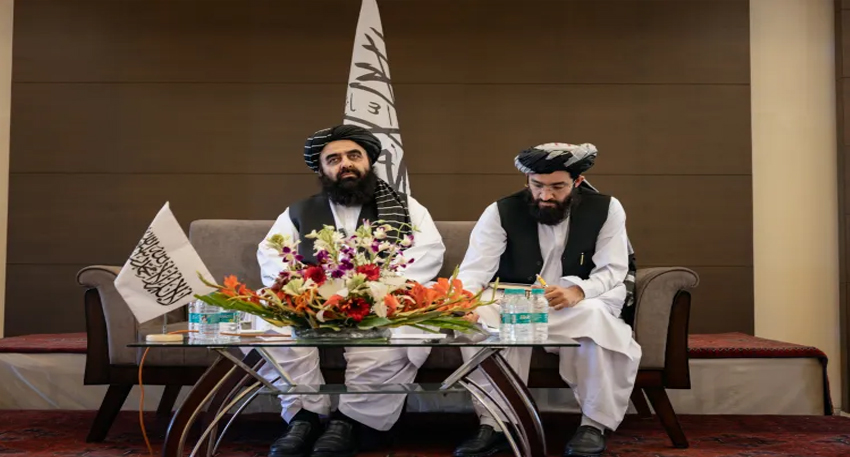
The meeting itself was arranged by the European Commission, which framed it strictly as a technical discussion rather than any step toward formally recognizing Taliban rule. At the center of the agenda is a politically sensitive question: How to send Afghan nationals who don't have legal grounds to remain in Europe back to a country with which the EU has no diplomatic relations.
A letter reportedly sent to Taliban Foreign Ministry spokesman Abdul Qahar Balkhi described the talks as focused specifically on returning Afghans without a right to stay in the bloc. The EU has not said exactly who makes up the delegation, though several senior Taliban figures remain under EU sanctions, raising awkward questions about who Brussels is actually willing to engage with.
A senior Commission official reportedly traveled to Kabul back in January to lay groundwork on the same issue, telling European lawmakers shortly afterward that the priority was returning Afghans convicted of crimes, though he acknowledged a growing number of non-criminal cases could also be affected. Oddly, the Commission has since said it holds no records confirming that the trip or any meeting with Taliban officials ever took place.
European governments have been pushing for this kind of engagement for some time. Roughly twenty of the EU's 27 member states signed a letter last year expressing interest in returning Afghans without legal status, with particular emphasis on those who have committed crimes or are seen as security risks.
Also Read: Iran’s president arrives in Islamabad for key high-level talk
The push comes against a backdrop of hardening public attitudes toward migration across Europe, which has fueled gains for far-right parties in multiple countries and put pressure on mainstream governments to show they're taking a firmer line.
Human Rights Watch's Afghanistan researcher said engagement with the Taliban has to put human rights and accountability first, not deportations that put people back in harm's way. Amnesty International's Eve Geddie went further, calling it unconscionable for the EU to consider sending people back to a country that has only grown more dangerous since the chaotic, widely covered evacuations of 2021, scenes that remain fresh in many people's minds.
The UN's World Food Programme estimates that more than 17 million Afghans, around a third of the population, currently don't have reliable access to enough food. The country is also absorbing large numbers of people being pushed back from neighboring Iran and Pakistan, adding further strain to an economy and infrastructure already stretched thin. Since taking power, Taliban authorities have rolled back women's rights to move freely, barred girls from attending school past the primary level, and enforced strict morality laws that limit personal expression and employment opportunities.
For now, the Commission insists Tuesday's meeting changes nothing about its formal stance toward the Taliban government, which remains unrecognized, with European embassies in Kabul still shuttered since 2021. But the optics of hosting a Taliban delegation in Brussels, however brief and tightly controlled, mark a notable shift in how far Europe is willing to go to manage its migration pressures.