

Sheikh Hasina faces execution if she returns to Bangladesh from India
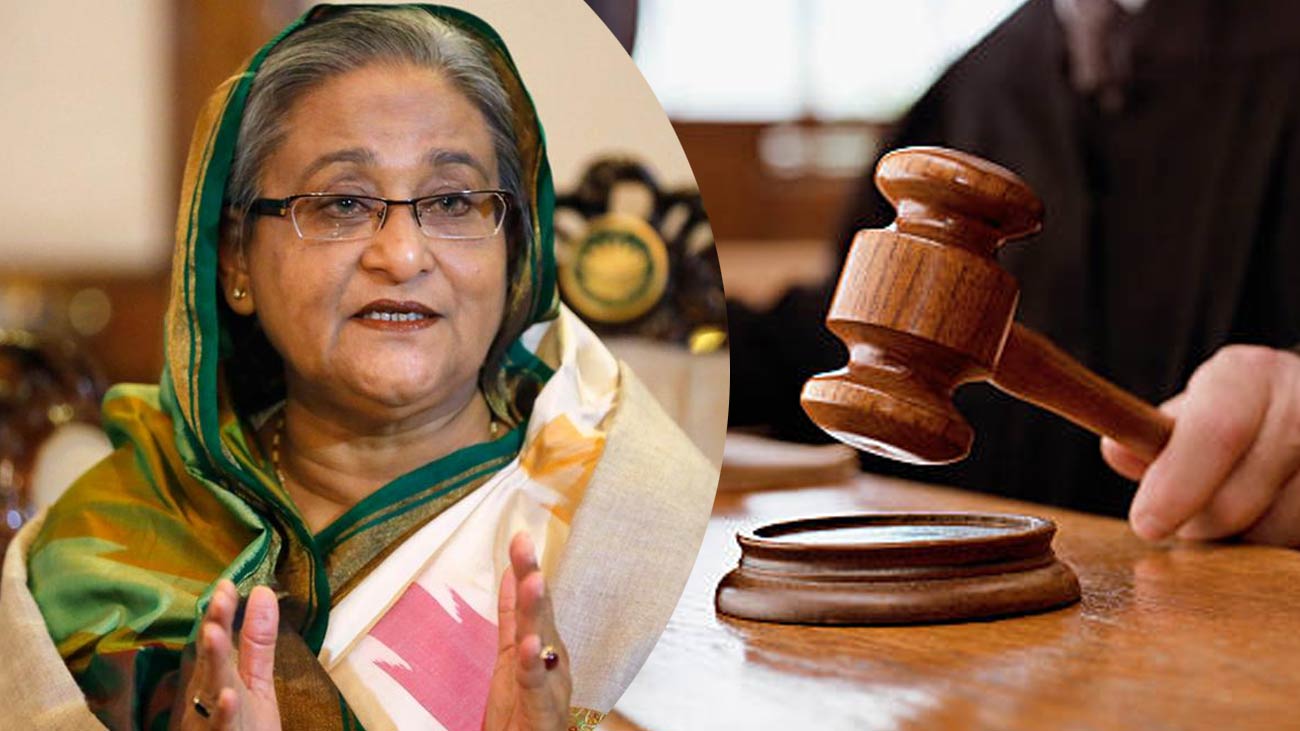
The former prime minister has been living in India since fleeing Bangladesh in August 2024 after a mass uprising ended her 15-year rule.
Prosecutor Md Aminul Islam made the statement on Tuesday while responding to reports that Hasina plans to return to Bangladesh in December.
“Sheikh Hasina has no option but to face the execution of the verdict,” he told reporters.
He said the 79-year-old former leader had missed the deadline to appeal against her conviction, leaving her with no further opportunity to challenge the decision through a regular appeal.
“The statutory appeal period has expired and no appeal can now be filed,” he said.
Why Sheikh Hasina was sentenced to death
Hasina was convicted of crimes against humanity over the violent crackdown on student-led protests in 2024.
In November 2025, a court in Dhaka sentenced her to death in absentia after finding her guilty on three charges, including encouraging violence, ordering killings and failing to stop serious crimes.
Hasina had refused to return to Bangladesh to attend her trial, which examined whether she was responsible for the actions taken by security forces during the protests.
She was provided with a state-appointed lawyer but rejected the court proceedings, calling the trial a “jurisprudential joke”.
According to the United Nations, up to 1,400 people were killed during the 2024 crackdown on protesters.
One of the witnesses at the trial was a man whose face was badly injured by a gunshot.
Hasina plans to return from India
Hasina escaped to neighbouring India by helicopter in August 2024 after angry protesters entered her official residence.
She has remained in India since then and has largely stayed away from public appearances.
She has occasionally addressed news conferences by telephone and repeatedly said she intends to return to Bangladesh in December.
In an interview with AFP, Hasina said she was “fully aware” that she could be hanged if she returned to her country.
However, she also said “fear cannot decide” her “duty to the people”.
Hasina is the daughter of a revolutionary leader who played a major role in Bangladesh’s independence movement in 1971.
During her 15 years in power, Bangladesh experienced rapid economic growth and developed into an important global manufacturing centre.
However, her government also faced serious criticism over political arrests, restrictions on the media and alleged human rights violations.
Bangladesh seeks Hasina’s extradition from India
Bangladesh has formally asked India to extradite Hasina so she can face the legal consequences of her conviction.
India has confirmed that the request is under legal review, but no final decision has been announced.
Her continued stay in India has also created tensions between the two neighbouring countries.
Meanwhile, Hasina faces several other legal cases in Bangladesh, including corruption allegations.
Her lawyers have also requested the renewal of her passport but have not explained where or when she plans to travel.
Prosecutor Islam said the passport authorities could refuse to issue a passport to someone convicted of serious crimes.
He advised Hasina to contact Indian authorities if she genuinely wanted to return to Bangladesh under the extradition agreement between the two countries.
Sheikh Hasina’s possible return to Bangladesh could create a major legal and diplomatic challenge.
Her death sentence, the extradition request and strained relations between Bangladesh and India have made the situation more complicated.
Although Hasina has expressed her intention to return, it remains unclear whether India will hand her over and how the authorities will handle her return.
Also read: Jemima Goldsmith breaks silence on 'violence, abuse and coercive control'


