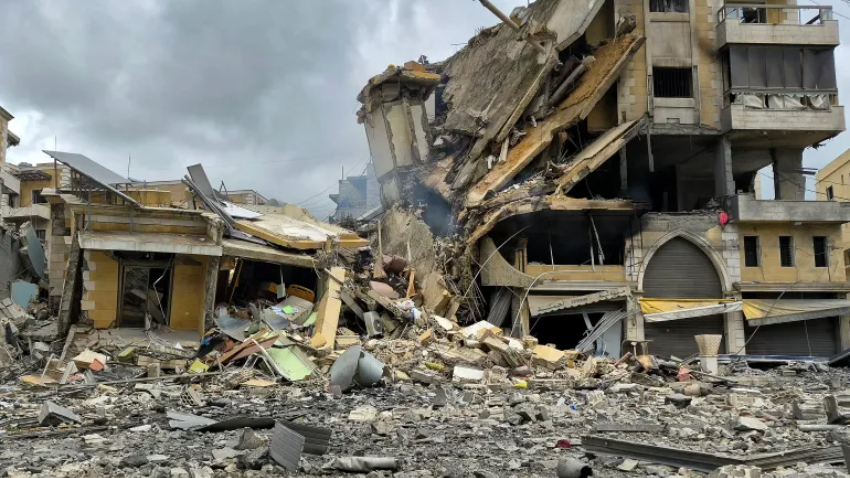
According to Lebanon’s civil defense and the Ministry of Health, at least 254 people have been killed and more than 1,100 injured so far. Rescue teams are still working in affected areas, and officials warn that the death toll may rise, as many people could still be trapped under debris.
Beirut has suffered the most damage, with 92 deaths and 742 injuries reported. In the southern suburbs of the capital, 61 people were killed and 200 injured. Other areas have also been hit, including Baalbek, Hermel, Nabatieh, Sidon, and Tyre, where dozens of casualties have been reported.
Authorities say that in just one day of attacks, 112 people were killed and over 800 injured. Hospitals in several regions have declared emergencies and have appealed to the public for urgent blood donations to manage the influx of patients.
Reports from international media describe continuous explosions across Beirut, with smoke rising from multiple locations. The situation on the ground remains tense, with fear spreading among residents due to the ongoing strikes.
Must Read: France calls for ceasefire across Middle East conflict zones, Including Lebanon
On the military side, Israeli officials stated that the operations are part of a large and coordinated campaign targeting more than 100 locations across Lebanon. These include areas in the Bekaa Valley and southern regions, which are believed to host Hezbollah command centers and military installations.
Israeli Prime Minister Benjamin Netanyahu has clarified that the ceasefire agreement with Iran does not apply to Lebanon. Defense Minister Israel Katz also stated that Hezbollah has suffered significant losses during the ongoing attacks.
The continued escalation has increased concerns about a broader regional conflict, while humanitarian agencies warn of growing pressure on hospitals, infrastructure, and civilian life.