

Iran says Strait of Hormuz to remain closed until US accepts its conditions
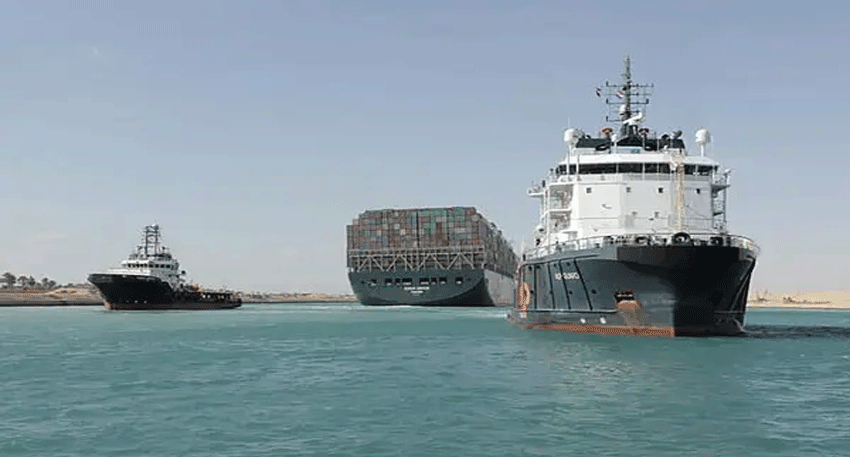
Iran sets conditions for reopening
Iran has said it will not reopen the Strait of Hormuz unless the US agrees to its demands. The statement comes amid continuing tensions between the two countries and growing concern over the strategic waterway. The development could keep pressure on global energy markets.
The Strait of Hormuz is one of the world’s most important energy routes. A prolonged closure could affect the movement of oil and other energy supplies through the region.
Iran’s position suggests that reopening the waterway is now closely linked to wider negotiations with Washington. This could make efforts to reduce tensions more difficult if both sides remain far apart on key issues.
Global energy markets remain in focus
The Strait of Hormuz is vital for international oil trade because large volumes of crude oil and other energy products pass through it. Any disruption can quickly raise concerns among governments, energy companies and traders.
A longer closure could create additional uncertainty in global energy markets. Countries that depend heavily on oil shipments through the waterway could also face higher costs and supply concerns.
The situation could also affect shipping and insurance costs in the region. Markets are likely to closely monitor any new statements from Iran and the United States.
What happens next?
Iran’s latest position puts the focus on whether Washington is willing to accept Tehran’s conditions. Any progress in talks could improve hopes for the reopening of the waterway.
However, continued disagreement could keep the Strait of Hormuz closed for longer. The situation remains closely linked to wider political and security tensions between Iran and the US.
The closure of the Strait of Hormuz could have consequences far beyond the region because of its importance to global energy trade. Even the possibility of a prolonged disruption can create uncertainty in oil markets.
The next major development will likely depend on diplomatic efforts between Iran and the US. If no agreement is reached, pressure on energy supplies, shipping and international markets could increase.
Also read: Colombia earthquake death toll reaches 224 as search for survivors continues
Also read: Gold price hits two-month high as global market rally continues