

94pc of Gaza residents are without shelter, says UN
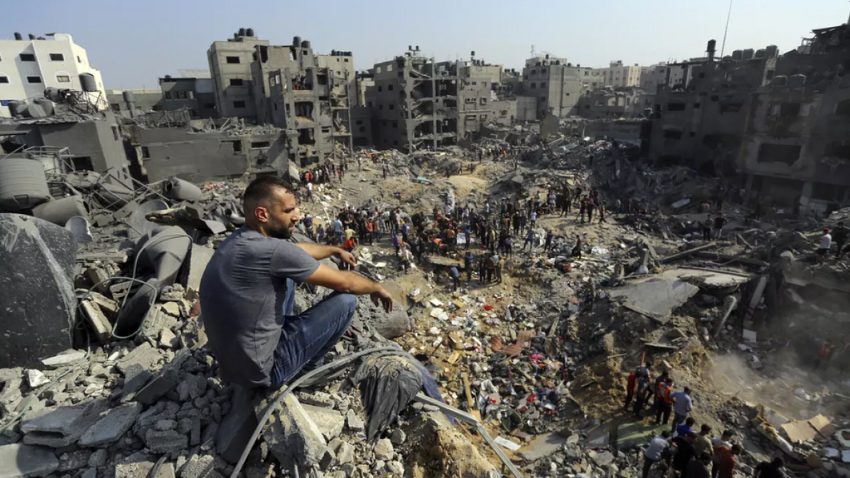
UN spokesperson Stéphane Dujarric said four out of every five households were living without proper shelter. He said many displaced families were struggling to meet basic daily needs as shortages of essential supplies continued.
Aid restrictions affect daily life in Gaza
Dujarric said restrictions on humanitarian assistance were making daily life even more difficult for people across Gaza. He said the shortages were affecting people’s ability to sleep, cook, bathe, eat and store water.
Limited access to fuel and energy has also affected lighting and made it harder for families to cope with extreme heat and cold. The UN has repeatedly raised concerns about the humanitarian conditions facing civilians in the territory.
UN reports civilian casualties
Dujarric said the UN Office for the Coordination of Humanitarian Affairs continued to receive reports of Palestinian civilians being killed or injured in Israeli airstrikes, shelling and gunfire. The situation remains particularly difficult for civilians living in areas affected by widespread destruction and displacement.
Humanitarian agencies have continued to call for improved access to affected communities and essential supplies. The UN says restrictions and damage to infrastructure continue to complicate relief and recovery efforts.
Bodies recovered from rubble after more than two years
Dujarric said the bodies of 50 people, including 19 children, were recovered from the rubble on August 21 and later buried. He said the victims had been killed more than two years earlier.
The recovery highlights the scale of destruction and the difficulties faced by teams searching damaged areas. Many locations remain difficult to access, slowing efforts to clear rubble and recover bodies.
Restrictions hamper rubble clearance
The UN spokesperson said recovery work was being affected by restrictions on the entry of heavy machinery and other essential equipment. Spare parts, lubricants and other materials needed to clear debris have also faced restrictions, he said.
Also Read: Russian strike kills 10 in Ukraine’s Kharkiv region
Limited access to large parts of Gaza has created further challenges for humanitarian and recovery teams. Without sufficient machinery and equipment, efforts to clear destroyed buildings and search for people still buried beneath rubble remain slow.
Shelter shortage adds to humanitarian crisis
The lack of adequate shelter is adding further pressure on families already facing shortages of food, water, fuel and other essential supplies. Many people are living in temporary or damaged structures that provide limited protection from changing weather conditions.
The shortage of fuel, energy and household items has also made daily life more difficult for displaced families. Humanitarian organisations continue to stress the need for sustained access to essential supplies and equipment.
Recovery efforts face major obstacles
The UN says the recovery process cannot move forward effectively without improved humanitarian access and the entry of essential equipment. Clearing rubble is necessary not only for rebuilding but also for recovering bodies and making damaged areas accessible again.
Restrictions on machinery, spare parts, and access to affected locations continue to slow this process. The humanitarian situation remains closely linked to the ability of aid agencies and recovery teams to reach people in need.


