

US used a secret backchannel to IRGC before Islamabad Accord
According to a report by Axios, US officials became concerned that Iranian negotiators might not have enough authority to reach an agreement without approval from the powerful Islamic Revolutionary Guard Corps.
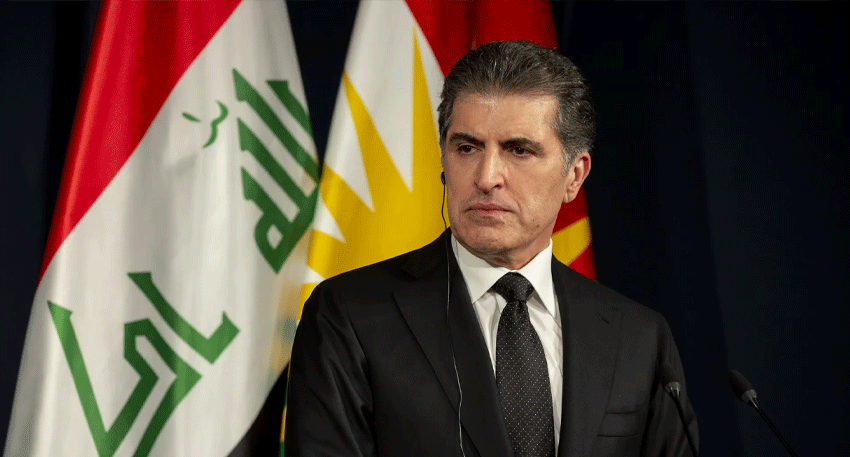
The report said Washington therefore looked for a separate way to communicate with IRGC leadership. Nechirvan Barzani, president of the Kurdistan Region of Iraq, was used to help establish that channel.
The reported move shows how difficult the negotiations had become behind the scenes. US officials were reportedly unsure whether the Iranian team at the negotiating table fully represented the views of the IRGC.
Barzani helped open a secret channel
According to Axios, US officials contacted Barzani and asked him to help establish communication with IRGC commander Gen Ahmad Vahidi.
Barzani reportedly spoke with Vahidi by telephone on May 14. During the conversation, Vahidi indicated that he supported Iran’s negotiators and wanted the crisis to be resolved through diplomacy.
The backchannel was important because the IRGC holds major influence over Iran’s security and military affairs. The reported contact allowed Washington to hear directly from a powerful figure outside the formal negotiating process.
The development also highlights the uncertainty surrounding Iran’s internal decision-making during the negotiations. Earlier reports had pointed to disagreements between civilian negotiators and powerful military figures over the direction of talks.
What was the Islamabad Accord?
The Islamabad Accord, formally known as the Islamabad Memorandum of Understanding, was electronically signed by the United States and Iran on June 18.
Pakistan played a key mediation role, with Qatar also supporting the diplomatic process. Prime Minister Shehbaz Sharif said the agreement was aimed at creating a path toward resolving the conflict through negotiations.
Under the initial understanding announced by Pakistan, Iran was expected to reopen the Strait of Hormuz while the United States would lift its naval blockade.
The agreement also created a framework for further negotiations on difficult issues. These included Iran’s nuclear programme, sanctions and other unresolved disputes between the two countries.
Pakistan and Qatar later announced that high-level talks under the agreement had begun in Switzerland. The process included working groups dealing with nuclear matters, sanctions, monitoring and dispute resolution.
Also Read:Trump welcomes Makkah defence pact
Why the secret contact matters
The reported US-IRGC contact provides a glimpse into the complicated diplomacy that took place before the agreement was signed.
For Washington, the main concern appeared to be whether an agreement reached with Iranian negotiators would also be accepted by the IRGC. Direct communication with IRGC leadership offered another route to reduce that uncertainty.
However, the diplomatic process has remained fragile. The initial understanding did not settle the most difficult issues, leaving major questions for later negotiations.
The situation has also changed considerably since the original agreement. Recent reports say the 60-day period set for reaching a final US-Iran settlement expired without a lasting resolution, while tensions over the Strait of Hormuz and the US naval blockade have returned.


