



US oil reserves hit 42-year low as Iran tensions raise energy fears
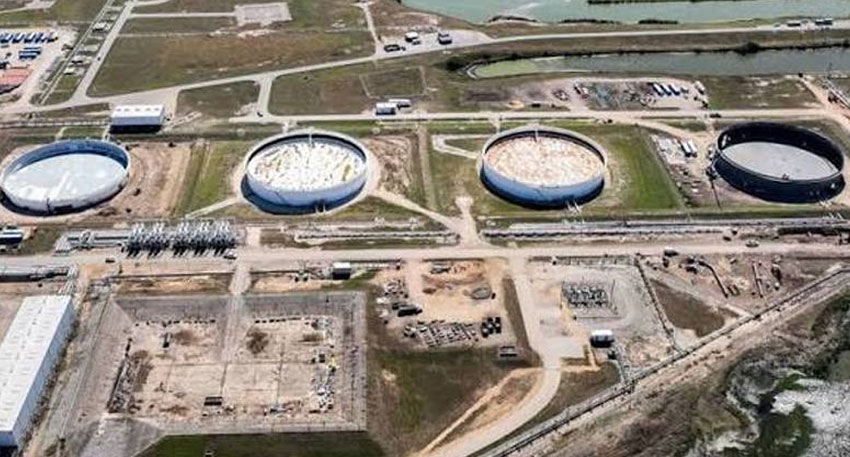
US oil reserves have dropped to their lowest level in more than four decades, raising fresh concerns about the country's energy security as tensions with Iran continue to fuel uncertainty in global oil markets.
According to an analysis by Bank of America, the United States now holds enough crude oil to meet only about 43 days of domestic demand, the lowest level recorded since July 1983. Energy analysts warn that the reduced reserves could become a major challenge if a global supply disruption or geopolitical crisis occurs.
The latest data from the US Energy Information Administration (EIA) shows that the country's commercial crude oil inventories stood at around 409.7 million barrels as of July 10, nearly 6% below the five-year average.
The Strategic Petroleum Reserve (SPR) has also declined significantly. As of July 18, emergency oil reserves had fallen to approximately 316.5 million barrels, marking their lowest level since April 1983.
Combined, the United States now has roughly 730.8 million barrels of commercial and strategic crude oil reserves, one of the lowest totals in more than 40 years.
Energy experts say the sharp decline is largely linked to the massive release of oil from the SPR in 2022, when the Biden administration used record volumes to ease fuel prices following the Russia-Ukraine war. Although efforts to refill the reserve are ongoing, inventories remain well below previous levels.
With tensions between the United States and Iran continuing and concerns over possible disruptions in Gulf oil supplies, analysts believe shrinking US reserves could add pressure to global energy prices if the regional situation deteriorates further.