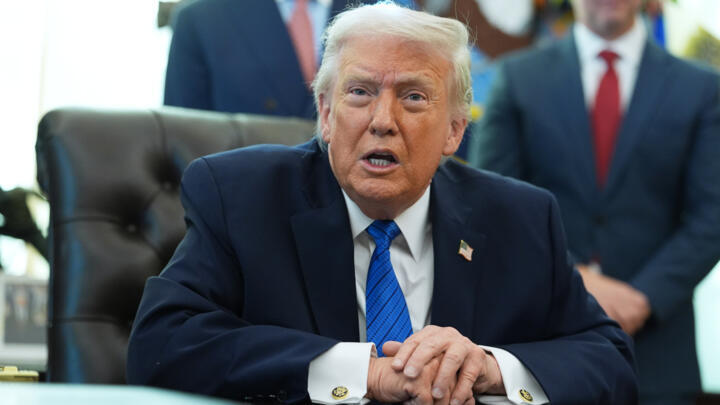
US President Donald Trump has announced a major decision to reopen the Strait of Hormuz, stating that the US Navy will accompany commercial vessels if necessary to ensure safe passage.
The announcement comes amid rising Gulf tensions and growing concerns over disruptions to global oil supply routes.
US Navy to Escort Commercial Ships in Gulf
President Trump said that if required, American naval forces would escort commercial ships, including oil tankers, through the Strait of Hormuz to safeguard maritime trade.
The Strait of Hormuz is one of the world’s most critical shipping lanes, handling a significant portion of global crude oil exports. Any disruption in the waterway can trigger volatility in international oil markets.
Also Read: Strait of Hormuz closed by Iran, world markets brace for oil shock
Insurance Support for Oil Tankers and Trade Vessels
The US President also stated that American financial institutions would assist with maritime insurance coverage.
According to Trump:
- Oil tankers and commercial vessels will receive insurance guarantees
- US-backed financial support will help reduce shipping risks
- The goal is to protect commercial trade during ongoing Gulf tensions
The move is aimed at stabilizing global energy markets and reassuring shipping companies concerned about rising security threats.
Protecting Trade Amid Gulf Tensions
US officials said the primary objective of the decision is to safeguard commercial activity and ensure uninterrupted oil transportation during escalating regional instability.
Security analysts believe the reopening of the Strait of Hormuz under US protection could significantly influence oil prices, maritime insurance rates, and geopolitical dynamics in the Middle East.
Global Impact of Strait of Hormuz Security
The Strait of Hormuz connects the Persian Gulf with the Arabian Sea and is vital for major oil-exporting countries. Any military involvement in the region is closely watched by global markets and energy stakeholders.
The US move signals a strong commitment to maintaining freedom of navigation and protecting international trade routes.