

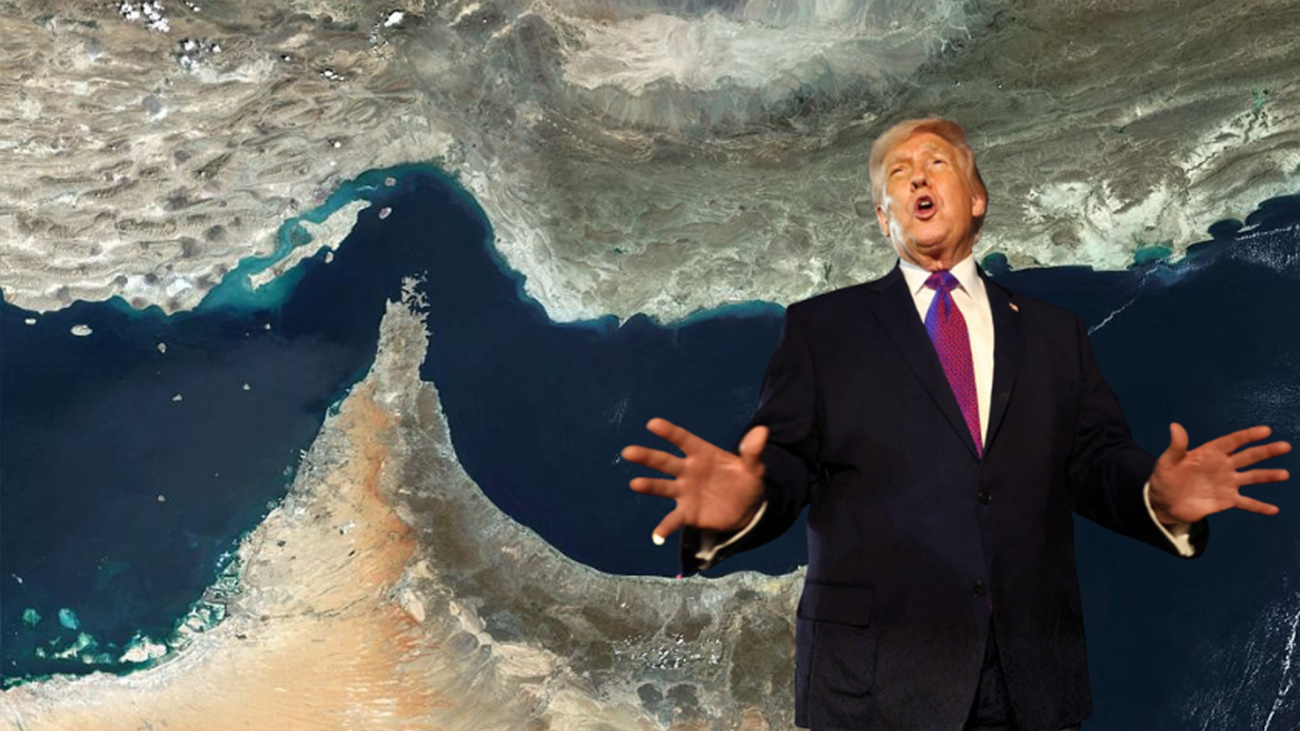
US President Donald Trump said the United States may escort commercial ships passing through the Strait of Hormuz if the situation demands it. The statement comes as tensions rise in the region, and commercial shipping through the crucial oil route has slowed due to security fears.
Speaking in an interview with Fox News host Brian Kilmeade, Trump said the US would take action if necessary to ensure oil supplies continue moving through the waterway. He said, “We would do it if we needed to. But, you know, hopefully things are going to go very well.”
Also Read: US allows purchase of Russian oil to stabilize global energy markets
Trump also encouraged commercial vessels to continue using the strait despite the risks. He urged ship operators to “show some guts” and keep sailing through the route, which remains one of the world’s most important channels for global oil trade.
The Strait of Hormuz has become a major concern since the conflict involving the United States, Israel, and Iran escalated. Iranian threats and reports of mine-laying in the waters have caused many commercial ships to avoid the route, slowing global oil shipments.
During the same interview, Trump warned that the United States could intensify military action against Iran in the coming days. He said Washington would strike Iran “very hard over the next week,” adding that Iran’s naval and air capabilities had already been heavily damaged during the first weeks of the conflict.
The war has entered its second week and is already affecting global energy markets. Oil prices have surged sharply, with Brent crude rising close to $100 per barrel on Friday. Earlier in the week, prices had climbed to nearly $120 per barrel as fears of supply disruption spread across markets.
In response to the rising energy crisis, the International Energy Agency announced that its member countries would release 400 million barrels of oil from emergency reserves to help stabilize supply and reduce pressure on prices.
Also Read: Iran sets three conditions to end war with US and Israel
US Energy Secretary Chris Wright said naval escorts could be arranged if required, but the US Navy is currently focused on offensive military operations. According to him, a regular escort service for commercial ships may not begin until the end of March.
Meanwhile, US Central Command reported that about 6,000 targets inside Iran have been struck since military operations began on February 28. The strikes are part of a wider campaign aimed at weakening Iran’s military infrastructure during the conflict.


