

Surveillance cameras: How to find out who is watching you
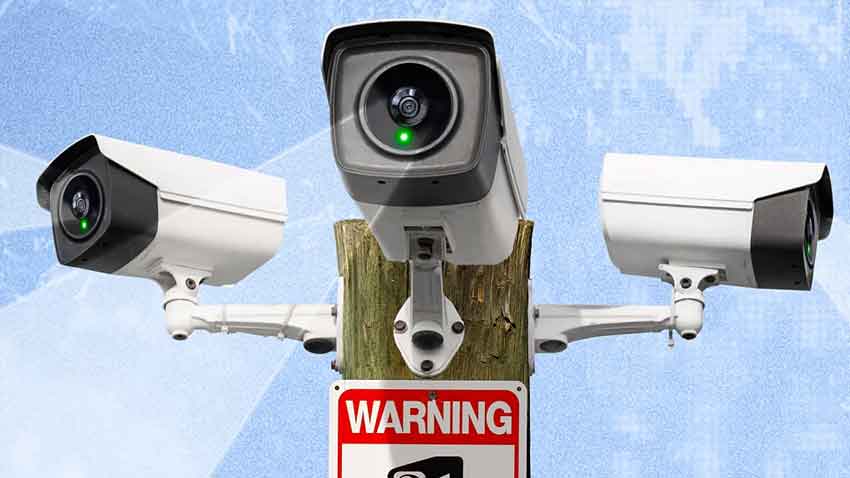
There are now simple ways for residents to learn more about the surveillance systems around them.
US surveillance cameras are everywhere
In New York, surveillance technology expert Michelle Dahl showed how quickly cameras can appear in an ordinary walk through the city. She pointed to small cameras attached to a lamppost and said they were part of the New York City Police Department’s surveillance network.
How large is the surveillance network?
The NYPD’s Domain Awareness System connects more than 80,000 cameras with other sources of information. These include drones, social media data and systems that can track vehicles across state lines.
Dahl said the system can potentially help police identify people, find where they have been and see who they have encountered. She described the technology as difficult to notice unless people actively look for it.
Private cameras can also become part of the picture. Businesses, apartment buildings and homeowners operate many cameras, and police can sometimes request their footage during investigations.
Flock cameras fuel privacy debate
Flock Safety has become one of the biggest names in the growing surveillance debate in the US. The company says it operates more than 100,000 cameras across about 6,000 communities.
Its technology is widely used to scan vehicle number plates and help authorities track vehicles. Flock says its cameras scan cars billions of times each month, while its wider technology also includes tools that can help identify people.
The system has faced criticism because information collected in one area can potentially be accessed by law enforcement elsewhere. This has raised concerns about how surveillance technology could affect privacy and local laws.
Misuse and growing public backlash
Reports have also raised concerns about officers using surveillance systems for unauthorised reasons. In several cases, officers were accused of using camera systems to monitor partners, former partners and other people for personal purposes.
Flock introduced additional safeguards after criticism over misuse. A company spokesperson called unauthorised use a "betrayal of the tool's purpose and completely unacceptable" and said officers who misuse the system should be held responsible.
Public opposition has also increased, with protests and damage reported at some Flock camera locations. More than 50 cities have reportedly ended contracts with the company during the year, although some later turned to other surveillance providers.
Why finding cameras matters
The growing debate is not only about Flock because many other companies and public agencies operate surveillance equipment. Even when one company leaves a city, other systems can continue recording people’s movements.
Walking through a New York neighbourhood, a reporter counted 16 cameras after only a short distance. The number became difficult to track as more cameras appeared on shops, buildings and streets.
Dahl said, "The more you start looking, the more you'll see". Her point is that many cameras have become so common that people often stop noticing them.
The main issue is not simply how many cameras exist. It is also about who controls the footage, how long it is kept and who can access it.
Surveillance can help police investigate crimes, but wider access can create privacy risks. The challenge for cities is to find a balance between public safety and people’s right to know how their movements are being monitored.
The debate is likely to continue as camera networks become larger and more connected. For ordinary people, knowing where surveillance systems exist is an important first step in understanding how much information about daily life may be collected.
Also read: Islamabad bus waiting time reduced as 3 routes get more frequent service
Also read: Why NCCIA issues fresh notices to Momina Iqbal and Saqib Chadhar in harassment case


