

Abdul El-Sayed defeats Mike Rogers and makes history as first Muslim US senator
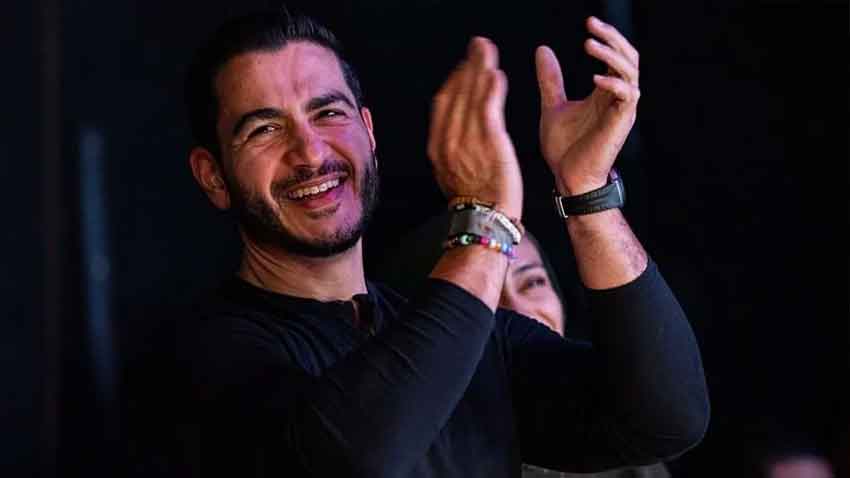
The Democratic victory marks a major moment for Muslim Americans and comes after a campaign filled with political attacks, religious criticism and disputes within the Democratic Party.
A historic victory in Michigan
El-Sayed defeated Republican candidate Mike Rogers in the closely watched Michigan contest. Rogers had received support from President Donald Trump and repeatedly criticised El-Sayed over his political views, position on Israel and Muslim faith.
During the campaign, El-Sayed faced accusations linking him to terrorism, which were described as baseless. He also faced criticism from political opponents who portrayed him as a communist because of his left-wing policies.
After waiting for several hours as election results came in, El-Sayed’s supporters erupted in celebration. Many people held up their mobile phones to record the historic moment as he appeared on stage.
Campaign focused on healthcare and public support
The 42-year-old politician, who previously worked in public health administration, campaigned on promises of major changes to the American economy and healthcare system. His key proposals included universal healthcare and higher taxes on billionaires.
El-Sayed thanked his supporters in the early hours of Wednesday, calling himself "the unlikeliest of candidates". He also criticised his opponents for running what he described as one of the ugliest election campaigns in recent years.
"They went all in on one of the ugliest campaigns we've seen in a long time," he said, accusing his opponents of attacking him "because of my name and my faith".
"They wanted an America that is too small for some of us. We know that this is an America that is big enough for all of us," El-Sayed added.
Gaza issue creates political tensions
El-Sayed, the son of Egyptian immigrants, strongly criticised Israel’s military actions in Gaza and described them as genocide. He also called for an end to American financial and military support for Israel.
The issue became particularly important in Michigan because the state has the second-largest Arab-American population in the United States. His position on Gaza also created tensions with fellow Democrat Haley Stevens, who strongly supports Israel.
Stevens, who had competed against El-Sayed in the Democratic primary, later endorsed Republican candidate Rogers shortly before the election. Her primary campaign had also received millions of dollars in support from the American Israel Public Affairs Committee (AIPAC).
The election was also seen as an important test of the growing influence of left-wing politicians within the Democratic Party. Several democratic socialist candidates have recently won primary contests in other parts of the country.
Muslim Americans celebrate historic moment
El-Sayed’s victory brought strong emotions among Muslim and Arab-American supporters, particularly after the anti-Muslim comments and attacks he faced during the campaign. Many supporters said his success gave hope to communities that have often felt underrepresented in American politics.
Roula Allouch, an Arab-American Muslim, told the BBC that she was extremely proud of his campaign and his family for facing the criticism.
"I'm proud of Abdul, the campaign that he ran, his family for their perseverance through all the hate, the Islamophobic rhetoric that was thrown at him throughout this campaign," she said.
Another Muslim woman at the celebration said his victory made her feel that someone would represent her community in Washington.
"He makes us so proud and it just makes us feel like we can stand a little taller, broaden our shoulders and know somebody has our back and that he's going to be in Washington really fighting for us," she said.
During his victory speech, El-Sayed also used the Arabic expression "Alhamdullah". He then responded to his Republican critics by explaining that the phrase simply means "praise be to God".
He is part of a younger generation of Arab Americans and Muslims born to immigrant parents who grew up in the United States after the September 11, 2001 attacks. His supporters believe his achievement will encourage more young people from minority communities to take part in politics.
One supporter told the BBC that his success could inspire future generations.
"If someone with the name of Abdul can make it, that means this next generation can look up and say that they can too," she said.
El-Sayed’s victory is an important development for Muslim representation in American politics. His campaign also showed that healthcare, economic inequality and foreign policy can become major issues in elections.
His success may encourage more Muslim and Arab-American candidates to enter politics. However, his ability to turn campaign promises into action will be closely watched in the coming years.
Also read: Democrats retake house as Trump faces major setback in 2026 midterms elections


