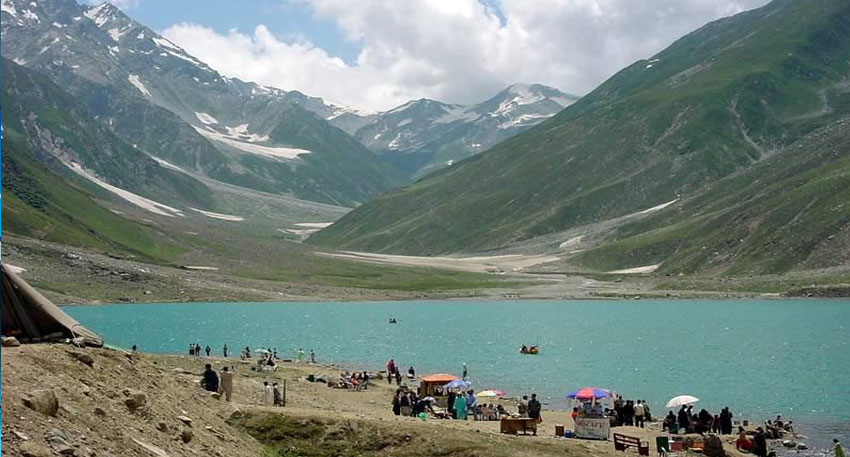

Weather alert issued as heavy monsoon rains approach
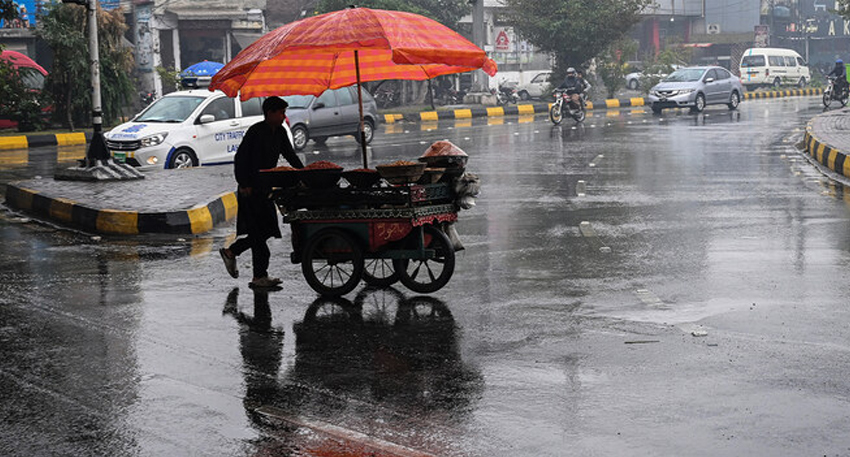
According to the National Disaster Management Authority (NDMA), an assessment carried out by its National Emergencies Operation Centre (NEOC) indicates that major flooding in the country's rivers is not anticipated, although water levels are expected to increase in the Indus, Jhelum, Chenab, Ravi and Sutlej.
The authority warned, however, that periods of intense rainfall from July 7 to July 10 may lead to flash flooding in seasonal streams and hill torrents.
It also cautioned that low-lying urban areas could experience waterlogging, while mountainous regions remain vulnerable to landslides.
Also Read: Commercial ships targeted in Strait of Hormuz as tensions rise
The Pakistan Meteorological Department (PMD) has forecast widespread wet weather through Wednesday as moisture-laden winds from the Arabian Sea and Bay of Bengal combine with a westerly weather system.
The resulting conditions are expected to bring rain, thunderstorms and strong winds to Kashmir, Khyber-Pakhtunkhwa (K-P), Islamabad, the Potohar region, northern and central Punjab, Gilgit-Baltistan, and parts of northern Balochistan.
Most parts of Sindh are likely to remain hot and humid, though upper districts may receive isolated rain. The PMD cautioned that heavy downpours could trigger urban flooding in cities including Islamabad, Rawalpindi, Lahore, Gujranwala, Faisalabad, Peshawar and Nowshera.
The department also warned that hilly areas of K-P, Gilgit-Baltistan and Azad Jammu and Kashmir remain vulnerable to landslides.
In addition, strong winds and lightning could damage weak infrastructure such as electricity poles, billboards and solar panel installations.
Meanwhile, Balochistan is expected to experience an active monsoon spell on July 7 and 8, with heavy rain and thunderstorms forecast for Harnai, Loralai, Sibi, Barkhan, Musa Khel, Khuzdar, Dera Bugti and nearby districts.
Rain is also predicted for Zhob, Sherani, Kohlu, Naseerabad and Duki, where authorities have warned of possible flash flooding in seasonal streams and waterlogging in low-lying areas.
The National Disaster Management Authority (NDMA) and provincial disaster management authorities have instructed emergency services to remain on high alert and ensure all response measures are in place.
Officials have urged the public to avoid non-essential travel during the wet spell, especially on mountainous routes and near rivers and streams.
Tourists have also been advised to stay away from flood-prone locations and keep track of official weather updates throughout the monsoon period.