
Heatwave alert as Met Office warns of extreme hot weather in Pakistan
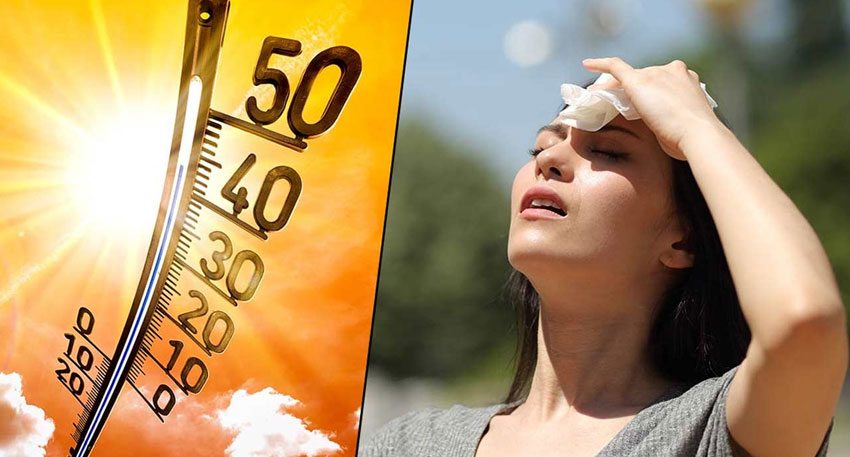
Pakistan heatwave conditions are becoming severe, and health experts have issued important guidance on how to stay safe and healthy during extreme hot weather.
Temperatures are expected to remain much higher than normal, especially in Punjab, Sindh, and Balochistan. Medical experts say this type of extreme weather can seriously affect human health if precautions are ignored.
Understanding Pakistan weather heatwave risk
In Pakistan weather heatwave situations, long periods of high temperature and dry air increase the risk of dehydration and heatstroke. Cities like Lahore, Multan, Sukkur, and Jacobabad often experience the most intense heat.
Doctors explain that continuous exposure to direct sunlight can quickly raise body temperature. This can become dangerous for children, elderly people, and outdoor workers.
Stay hydrated during extreme weather conditions
Health experts strongly advise drinking water frequently during Pakistan weather heatwave conditions. The body loses water quickly in hot weather, even without heavy physical activity.
Plain water, ORS, and natural fluids like lemon water are recommended. Sugary and caffeinated drinks should be avoided as they can increase dehydration risk.
Avoid peak sun hours in hot weather
Meteorologists recommend avoiding outdoor activities during peak Pakistan weather heatwave hours, especially between 11am and 4pm. This is the most dangerous time for heat exposure.
If going outside is necessary, people should stay in shaded areas as much as possible. Wearing light cotton clothes and using head protection can reduce heat impact.
Recognizing heat-related health problems
Doctors warn that early symptoms of heat illness include dizziness, weakness, headache, and excessive sweating. These signs should never be ignored during extreme weather.
In severe cases, heatstroke may cause confusion, high body temperature, or unconsciousness. Immediate medical attention is required in such situations.
Keeping homes cool during heatwave
During Pakistan weather heatwave conditions, keeping indoor spaces cool is very important. Closing curtains during the day and using fans or coolers can help reduce heat.
Night ventilation is also useful to bring in cooler air. Simple methods like placing wet cloth near windows can also help lower indoor temperature.
Special care for vulnerable groups
Health experts say children, elderly people, and pregnant women need extra care during extreme hot weather. They should stay indoors as much as possible.
They must be given water regularly and light meals such as fruits and yogurt. Overexposure to heat can quickly become dangerous for them.
Safety for workers and farmers
People working outdoors in Pakistan weather heatwave conditions should take frequent breaks in shaded areas. Staying hydrated is essential for preventing heat exhaustion.
Farmers are advised to schedule work during early morning or evening hours. Protective clothing and rest breaks can reduce heat stress significantly.
Final health guidance
Experts warn that Pakistan weather heatwave conditions are becoming more frequent due to climate change. Awareness and simple precautions can save lives.
Read more: PSL 11 final and semi finals open for fans – how to book tickets online
Following weather updates, staying hydrated, and avoiding direct sun exposure are the most effective ways to stay safe during extreme heat.
Read more: ‘PTA taxes’ up for Samsung Galaxy S23 series in Pakistan - New rates inside
The situation shows a clear rise in heat levels across many parts of Pakistan. Southern regions are expected to suffer the most due to stronger heatwave conditions. Authorities are trying to prepare in advance by issuing alerts and safety instructions. People are being advised to take simple precautions to avoid heat-related problems.