

Transport fares reduced by 10pc after fuel price cut
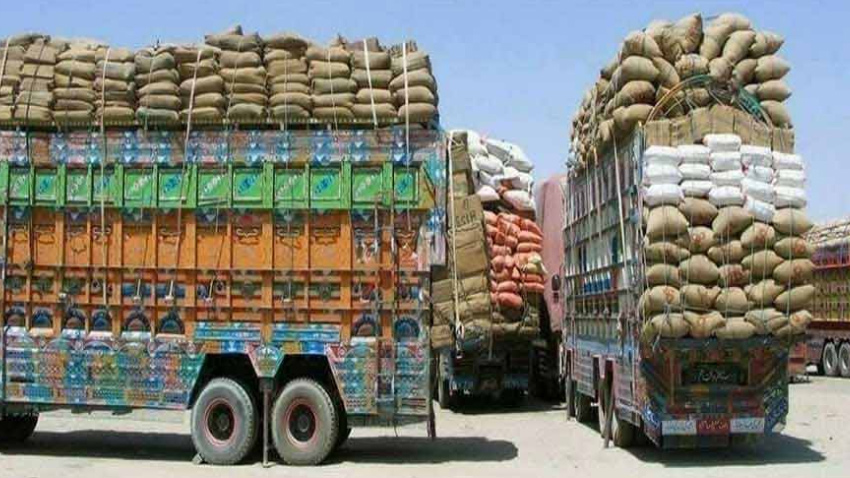
The Pakistan Mini Mazda and Goods Transport Association in Lahore announced the reduction for Mazda and goods transport services. The move is expected to lower transportation costs for businesses that rely on goods carriers to move products across the city and beyond.
Transporters pass fuel price relief to consumers
The fare reduction comes after petroleum product prices were lowered, reducing one of the major operating costs for transporters. Association President Haji Sher Ali said the government had taken a positive decision by reducing petroleum prices.
He said the association had decided to pass on the benefit of lower fuel costs through reduced fares. The decision could help transport operators and passengers manage their daily expenses at a time when transportation costs remain a major concern.
Public transport fares also reduced
The reduction is not limited to goods transportation. Public transporters have also lowered fares by 10pc following the petroleum price reduction.
The move is expected to reduce travel expenses for people who depend on buses and other forms of public transport for their daily commute. Lower fares could particularly benefit workers, students and other regular passengers who make frequent journeys.
Goods transport costs expected to ease
The reduction in goods transport fares could also have an impact beyond the transport sector. Businesses use goods vehicles to move food items, raw materials and other products between markets and different locations.
Lower freight charges can help reduce transportation expenses for traders and businesses. If the lower costs are maintained, some businesses could also benefit from reduced pressure on their overall operating expenses.
Fuel prices remain linked to transport fares
Petroleum prices have a direct effect on the cost of operating transport vehicles.
Also Read: Pakistan marks 55th martyrdom anniversary of Rashid Minhas
Diesel and petrol expenses account for a significant portion of the daily operating costs faced by transport operators. When fuel prices rise, transporters often face pressure to increase fares or freight charges.
When fuel prices decline, however, lower operating costs can create room for fare reductions. The latest decision in Lahore reflects this close link between fuel prices and transportation costs.
Fare cut offers relief to commuters
For passengers, the immediate benefit is lower travel costs. People who use public transport regularly could save money on their daily journeys if the revised fares are consistently implemented.
The reduction could also provide some relief to families dealing with rising household expenses. For businesses, lower goods transport charges could reduce the cost of moving products, raw materials and supplies.


