

Special anti-polio campaign ends after vaccinating 28.2 million children
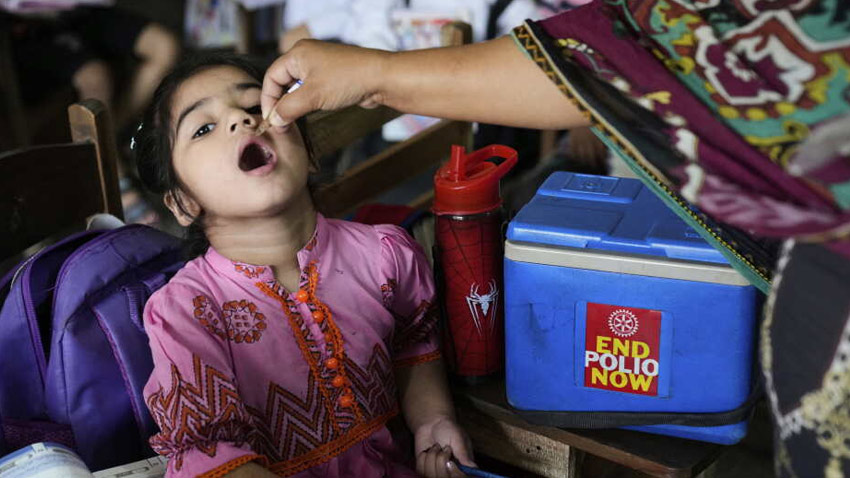
The campaign was conducted from September 21 to September 27 as part of efforts to protect children from the crippling disease.
Health workers visited communities and administered polio drops to children under the age of five during the campaign.
The National Emergency Operations Centre (NEOC) said the campaign was completed with the cooperation of health workers, parents and communities.
Campaign covered 112 districts
The special anti-polio drive was carried out in 112 selected districts across Pakistan.
The campaign was planned as a focused vaccination effort to reach children in areas where additional protection against polio was considered necessary. A large workforce was deployed to make the campaign possible, with male and female workers taking part in vaccination activities.
According to the NEOC, around 273,000 workers performed their duties during the one-week campaign. The workforce included vaccination teams and other personnel involved in carrying out the campaign in different areas.
Three Punjab districts defer campaign
The campaign was deferred in three districts of Punjab. These districts were Muzaffargarh, Dera Ghazi Khan (DG Khan) and Rajanpur.
The postponement meant that the special campaign was not conducted in these three districts during the scheduled period. Authorities will determine the next steps for vaccination activities in these areas according to the local situation and campaign planning.
Pakistan and Afghanistan conduct campaign together
The September special anti-polio campaign was conducted simultaneously in Pakistan and Afghanistan.
The coordinated effort reflects the continuing focus on preventing the spread of poliovirus in the region. Pakistan and Afghanistan remain among the countries where wild poliovirus transmission has continued to pose a public health challenge.
The movement of people between communities and across borders makes continued vaccination important for preventing the virus from spreading to children who have not received sufficient protection.
NEOC thanks workers and parents
The NEOC thanked the vaccination workers who took part in the campaign and carried out their duties across the selected districts.
The centre also appreciated parents and communities for cooperating with vaccination teams. Public cooperation is an important part of anti-polio campaigns because vaccination teams need access to children in homes and communities.
The NEOC also commended the administration, health departments and law enforcement agencies for supporting the campaign. Their cooperation helped vaccination teams carry out activities and reach a large number of children during the week-long drive.
Why polio vaccination remains important
The NEOC reminded citizens that polio has no cure but can be prevented through vaccination. The virus can cause permanent paralysis, particularly in children who are not adequately protected.
Polio vaccination protects children from the disease and helps reduce the risk of transmission within communities.
Also Read: Three cops martyred in terrorist attack on police van in Tank
The NEOC urged parents to ensure that children under five receive polio drops during every campaign. Health authorities have repeatedly stressed that children should receive every recommended dose because repeated vaccination strengthens protection against poliovirus.
Parents urged to complete routine immunisation
The NEOC also highlighted the importance of routine immunisation. Parents were urged to ensure that their children receive routine vaccines on time to protect them from other preventable diseases.
Polio drops provided during special campaigns are part of the wider effort to protect children, while routine immunisation remains essential for protection against several other diseases. Health workers therefore encourage families to follow the recommended vaccination schedule and avoid missing routine doses.
Community support remains essential
The success of vaccination campaigns depends not only on the number of children reached but also on the cooperation of families and communities. Parents play a key role by allowing vaccination teams to administer polio drops to eligible children.
Community leaders and local administrations can also help teams reach families and address concerns about vaccination. The NEOC’s appeal comes as health authorities continue efforts to maintain high vaccination coverage and prevent the spread of poliovirus.
What happens after the campaign?
The conclusion of the special campaign does not mean vaccination efforts have stopped. Polio prevention continues through routine immunisation and future vaccination campaigns.
Parents are expected to continue following health authorities’ vaccination guidance and ensure that children receive recommended vaccines on time.
Authorities will also continue monitoring vaccination coverage and the wider polio situation to identify areas that may require additional efforts.


