

Sindh plans inclusive community for persons with disabilities
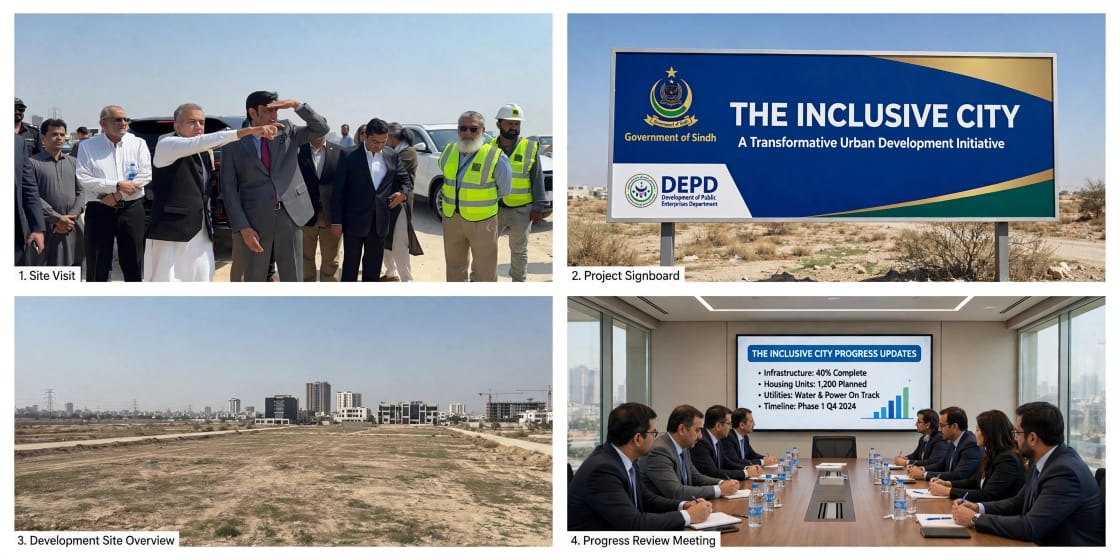
Chief Secretary Sindh Asif Hyder Shah reviewed progress on the 75-acre project during a visit and directed the relevant departments to expedite preparatory work, remove encroachments around the site and accelerate the removal of accumulated waste.
The project is envisioned as a modern rehabilitation and empowerment initiative, with a community-based model incorporating facilities required by persons with disabilities. Its broader objective is to promote independent living, accessibility and social inclusion by bringing essential services together in one location.
The Sindh government has approved the project's master plan. However, the development of basic infrastructure remains a key step towards turning the proposed community into a functional reality.
During the visit, Shah stressed the need to clear the site and its surroundings, ensure the construction of a boundary wall and speed up waste removal. These measures are intended to prepare the land for subsequent development and protect the project area from further encroachment and dumping.
Managing Director of the Sindh Solid Waste Management Board Fawad Ghaffar informed the chief secretary that around 18,000 tonnes of waste had already been removed from the site, while further clearance work was required.
Secretary of the Department of Empowerment of Persons with Disabilities Taha Ahmed Farooqi said tenders for roads, sewerage and streetlights were scheduled to be issued in November. He added that the department was coordinating with the relevant agencies to arrange electricity and other essential utilities.
The project’s progress will depend on timely coordination among the departments responsible for infrastructure, utilities, sanitation and disability-related services. Roads, drainage, reliable electricity and accessible public spaces will be essential to ensuring that the proposed community meets the needs of its intended residents.
The Inclusive City could provide an important opportunity for Karachi to adopt a more inclusive approach to urban development, particularly by addressing the barriers persons with disabilities face in accessing public services, rehabilitation and everyday facilities. Its practical impact, however, will depend on the quality of facilities, their accessibility and the timely completion of the planned infrastructure.
The commissioner of Karachi, the secretary of the Department of Empowerment of Persons with Disabilities and other relevant officials accompanied the chief secretary during the visit.


