

Restaurants, hotels face up to Rs1m fine over handwritten receipts
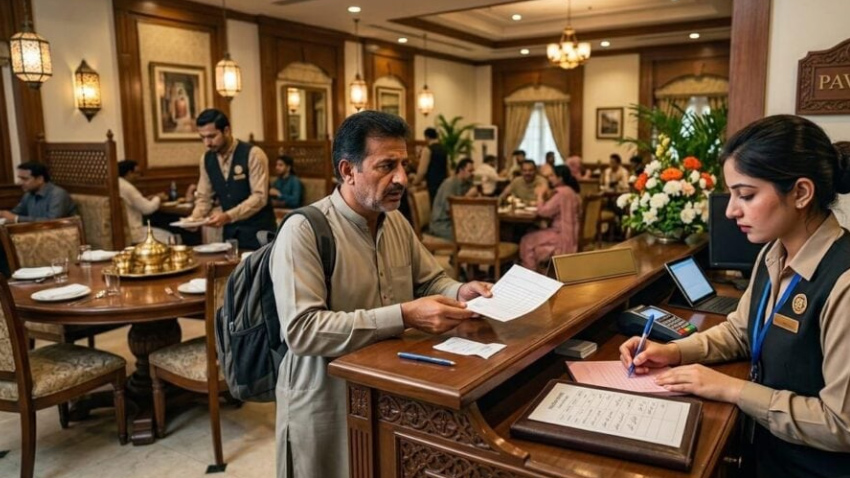
PRA bans handwritten receipts across Punjab
The move aims to improve transparency in tax collection, digitise sales records, and prevent possible tax evasion. The new requirements have been issued across all districts of the province on the directives of PRA Chairman Muazam Iqbal Sapra.
Under the new rules, businesses covered by the notification must issue receipts through the Electronic Invoice Monitoring System (EIMS). This means customers will no longer receive handwritten receipts or similar manual documents from these establishments.
EIMS receipts made mandatory
The PRA has directed hotels, restaurants, coffee shops, and marriage halls to use EIMS to issue customer receipts.
The system is intended to create digital records of transactions and make it easier for the authority to monitor sales and tax collection. Receipts issued by businesses must contain important details, including the name and address of the establishment.
They must also include a receipt number and the Punjab Revenue Authority’s QR code. The requirement is expected to give the tax authority better access to sales information while making transactions easier to track.
Businesses face fines of up to Rs1 million
The new rules also introduce strict penalties for businesses that fail to follow the receipt requirements.
According to the notifications, establishments that do not issue receipts through EIMS can face fines ranging from Rs400,000 to Rs1 million. Businesses that repeatedly violate the rules may face additional action.
The PRA has warned that establishments could be sealed for up to one month in cases of repeated violations. The penalties are intended to encourage businesses to comply with the digital invoicing system instead of continuing to use handwritten receipts.
Kitchen order slips and unpaid bills are prohibited
The notification also places restrictions on other forms of informal receipts.
Businesses have been prohibited from issuing kitchen order slips, unpaid bills, or similar documents to customers as substitutes for proper receipts. Instead, customers must receive receipts containing the required business and transaction details.
The change is significant for restaurants and other businesses where handwritten kitchen orders or informal bills may have been used during transactions. The PRA wants such practices to be replaced with properly recorded digital invoices.
Also Read: Goods transporters, govt officials meet today to resolve issues
Action is possible over record tampering
The authority has also warned businesses against interfering with officials performing their duties. Strict legal action may be taken in cases involving interference in official duties, tampering with sales records, or failure to provide records required by the authority.
The warning indicates that the PRA plans to monitor compliance with the new system closely. Businesses will therefore need to maintain proper sales records and ensure that their invoicing systems remain operational.
Why the PRA is tightening receipt rules
The main purpose of the measure is to improve transparency in the provincial tax system.
Digital receipts can help authorities track transactions more effectively and compare reported sales with actual business activity. The system could also make it more difficult for businesses to underreport sales or avoid recording transactions.
For the government, better documentation of sales could help improve tax collection and reduce revenue leakages. For customers, digital receipts can also provide clearer proof of purchases and payments.
What businesses need to do
Restaurants, hotels, coffee shops, and marriage halls covered by the notifications will need to ensure that their billing systems are connected to the required EIMS process. They will also need to make sure that receipts contain all the information specified by the PRA.
Businesses that continue issuing handwritten receipts could face financial penalties or other enforcement measures. Repeated violations could result in an establishment being sealed for up to one month.
What the new rules mean for customers
For customers, the most visible change will be the replacement of handwritten or informal bills with digitally generated receipts. A valid receipt should contain the business name, address, receipt number, and PRA QR code.
Customers may therefore have a clearer record of their transactions when dining at restaurants, staying at hotels, or using services at marriage halls. The system could also make it easier for customers to verify whether a transaction has been properly recorded.


