
Rawalpindi transport fares slashed by up to 18% after fuel price cut
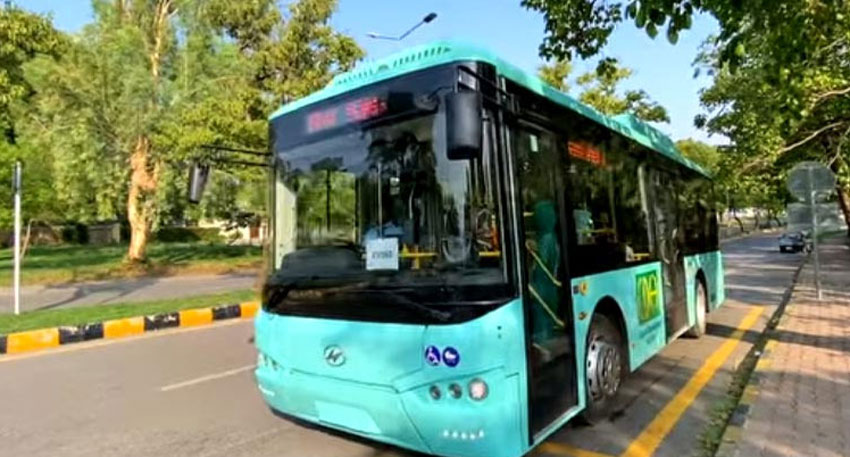
Thousands of commuters in Rawalpindi are expected to benefit from lower public transport costs. The fare reduction was implemented following a decrease in petroleum prices on the directions of Punjab Chief Minister Maryam Nawaz Sharif.
The district administration and the Regional Transport Authority (RTA) have issued revised fare lists with immediate effect. Officials said the move is aimed at ensuring that the public directly benefits from lower fuel costs.
According to the RTA secretary, transport fares were recalculated at the tehsil level. The revised rates were prepared to reflect the impact of reduced petroleum prices across different transport categories.
Under the new fare structure, AC diesel transport fares have been reduced by 12%. Non-AC diesel and petrol-operated public transport fares have been cut by 15%.
Goods transport operators have received the largest reduction. Their fares have been lowered by 18% under the revised schedule.
Authorities have launched a strict monitoring campaign to ensure transporters implement the new fares. Special inspection teams are carrying out checks at bus terminals, wagon stands and major transport routes.
Officials said the monitoring process will continue regularly. The goal is to prevent transport operators from charging passengers more than the approved rates.
Also read: Rawalpindi adds 35 more electric buses on new routes – check full list
During the enforcement campaign, authorities inspected 464 vehicles. Action was taken against 86 vehicles found violating the official fare rules.
The administration imposed total fines of Rs280,000 on transport operators who failed to comply. Officials said further penalties will be issued if violations continue.
The district administration has warned transporters against charging passengers above the approved fares. Authorities stated that strict legal action will be taken against those who ignore the revised rates.
Officials added that penalties may include fines and even vehicle impounding in serious cases. Daily inspections will continue to ensure passengers receive the full benefit of the fare reduction.
The reduction is expected to provide relief to workers, students and other daily travelers who rely on public transport. Lower fares may also help families manage transportation expenses more effectively.
Passengers have welcomed the decision and hope it will be fully implemented. Many believe the reduced fares will ease some of the pressure caused by rising living costs.
The fare reduction shows an effort to pass the benefit of lower fuel prices directly to the public. If implemented properly, it could reduce travel costs for thousands of people every day.
The success of the decision will depend on strong enforcement. Continuous inspections may help ensure transport operators follow the new fare structure and avoid overcharging passengers.