

Punjab monsoon rains leave 65 dead, 382 injured
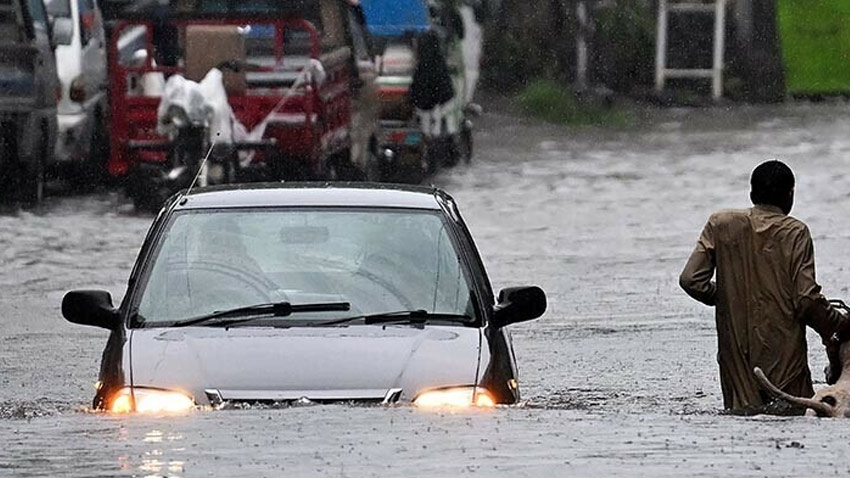
The report said 65 people lost their lives across the province during the season, while another 382 people were injured.
Heavy rains also damaged 224 houses and killed 21 livestock, adding to the losses faced by families in several districts.
The figures were released as the monsoon season concluded, giving a clearer picture of the impact of unusually heavy rainfall across Punjab.
Rawalpindi receives highest rainfall
Several districts recorded exceptionally high rainfall during the monsoon.
Rawalpindi received the highest amount, with total rainfall reaching 1,505 millimetres during the season.
Lahore recorded 1,316mm, while Sialkot received 1,256mm.
Gujranwala also experienced heavy rainfall, recording 1,161mm, followed by Jhelum with 935mm.
Other major rainfall totals included 865mm in Gujrat, 810mm in Mandi Bahauddin, 786mm in Narowal, 757mm in Murree and 749mm in Attock.
Wazirabad received 741mm, while Mangla recorded 602mm during the season.
Sheikhupura faces flood-like situation
Although Punjab did not experience major flooding in its rivers, rising water levels in local drains created serious problems in parts of Sheikhupura.
Overflowing Nullah Bhed and Nullah Dek inundated 58 villages in the Ferozewala and Muridke areas.
The flooding affected 83 revenue estates and around 43,188 acres of land.
The situation caused damage to agricultural land and affected families living in the surrounding areas.
The PDMA said compensation measures were being prepared for crop and housing losses in Sheikhupura. Affected families are also expected to receive assistance under the Punjab government’s compensation policy.
Heavy rain reported across Punjab
The impact of the monsoon was recorded across a large number of districts.
The PDMA reported 576mm of rain in Okara, 524mm in Sargodha and 514mm in Faisalabad.
Sheikhupura received 422mm, while Chakwal recorded 402mm.
Hafizabad received 388mm, followed by Kasur with 307mm and Nankana Sahib with 293mm.
Bahawalnagar recorded 276mm, Noorpur Thal 265mm, Mianwali 247mm and Khushab 236mm.
Toba Tek Singh received 197mm of rainfall during the season.
Rain was also recorded in Jhang, Chiniot, Jauharabad, Sahiwal, Pakpattan, Bahawalpur, Khanewal, Multan, Kot Addu, Dera Ghazi Khan, Rahim Yar Khan, Rajanpur and Vehari.
The figures show that rainfall was widespread, although its intensity varied from one district to another.
PDMA says rivers remained under control
Despite the heavy rainfall, the PDMA said there was no major flooding in Punjab’s rivers during the monsoon.
Also Read: KP launches Rs2.6bn programme to improve livestock health
The authority said water flows in all major rivers remained normal. However, local drains in Sheikhupura rose sharply and caused flooding in nearby villages and agricultural areas.
The situation highlighted the risk posed by heavy rainfall even when river levels remain within normal limits. Localised flooding can occur when drains overflow or when large volumes of rainwater cannot be cleared quickly.
Authorities deploy machinery for drainage
PDMA Director General Muhammad Saif Anwer Jappa said authorities had made arrangements in advance to deal with the heavy rainfall. He said timely drainage operations were carried out despite the record-breaking rainfall.
Machinery was also deployed to deal with rainwater and respond to emergencies in affected areas. Jappa said people injured in rain-related incidents were provided medical treatment.
He added that compensation measures would be taken for families affected by deaths, injuries and damage to houses, livestock and other property. The authority also worked with other departments throughout the season to respond to emergencies.
24/7 monitoring system remained active
The PDMA said rivers, dams and barrages were continuously monitored during the monsoon.
A 24/7 monitoring system also remained active at the authority’s control room. Officials kept track of water flows and rainfall conditions so that emergency measures could be taken when necessary.
The authority said coordination with relevant departments remained an important part of its response strategy. This included monitoring vulnerable areas and ensuring that machinery and other resources were available when needed.
Compensation measures planned for affected families
The PDMA said families affected by deaths, injuries and property losses would be considered for compensation under the relevant government policy. Special attention is also being given to losses caused by flooding in Sheikhupura, where large areas of agricultural land were affected.
Crop losses can place additional pressure on rural families because damaged fields can affect both current income and future production. The compensation process is therefore expected to play an important role in helping affected communities recover from the season’s losses.


