

PMDC bars Afghan students from medical, dental admissions
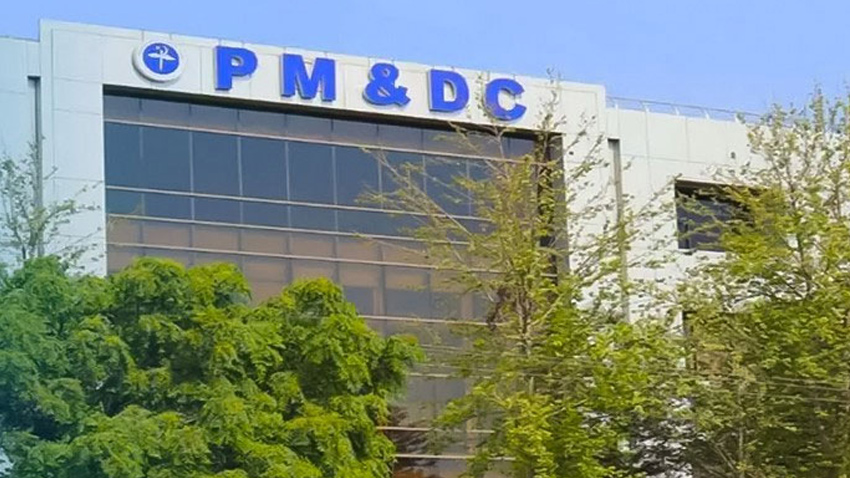
The Pakistan Medical and Dental Council (PMDC) has directed public and private medical and dental institutions across the country to strictly follow the new instructions.
The directive covers admission, placement, transfer, migration, and other forms of facilitation for Afghan nationals during the current academic session.
No new admissions for Afghan students
Under the latest instructions, medical and dental colleges cannot admit Afghan nationals during the current academic session. The restriction also covers placement and migration between institutions. The PMDC has asked admitting universities and affiliated institutions to ensure full compliance with the directive.
Existing Afghan students also affected
The decision does not only concern students seeking new admission. According to the PMDC directive, Afghan nationals already enrolled in medical or dental programmes in Pakistan are required to return to Afghanistan in line with prevailing government policy.
The council has instructed the concerned institutions to complete the necessary administrative arrangements for their departure. This includes issuing the required no-objection certificates (NOCs) and completing other formalities needed to facilitate the students’ return.
Colleges told to comply with PMDC order
The PMDC has directed all relevant universities and medical and dental colleges to implement the instructions without delay. Both public and private institutions are covered by the directive.
Institutions that have not submitted their compliance reports have also been asked to provide the reports, along with complete details, within three days of the letter’s issuance. The requirement is intended to give the regulator a clear picture of compliance across medical and dental institutions.
Strict action warned for violations
The PMDC has described the matter as a high-priority issue linked to national policy directions. Institutions have been warned that failure to comply with the instructions could lead to regulatory action under the PMDC Act, 2022.
Also Read: Senior citizens in KP to get free BRT travel under Ehsaas Buzurg Card
The warning covers unauthorised admissions as well as other forms of facilitation that violate the directive. The council has also cautioned institutions against delaying compliance, withholding information or failing to provide the required details.
How the new order affects medical education
The decision could affect Afghan students who were planning to pursue MBBS or BDS programmes in Pakistan. It also changes the position of Afghan nationals already studying medicine or dentistry in the country.
The PMDC has not publicly provided a figure for the number of Afghan students currently enrolled in Pakistani medical and dental institutions. The council has also not indicated whether students close to completing their degrees will receive any exemption from the directive.
Decision comes amid repatriation drive
The PMDC decision comes amid Pakistan’s wider policy of repatriating Afghan nationals. Pakistan has been carrying out a phased repatriation process involving Afghan nationals in the country.
According to a June 2026 statement by Prime Minister Shehbaz Sharif, more than 2.4 million Afghan nationals had returned to Afghanistan since the process began in September 2023. The government has described the process as phased and orderly, while the policy has continued to evolve as authorities deal with different categories of Afghan nationals.
PMDC order adds to wider restrictions
The latest medical education directive adds another layer to the measures affecting Afghan nationals in Pakistan. The PMDC regulates medical and dental education and registration in the country, making its instructions binding on recognised institutions within its regulatory framework.
The council’s existing admission regulations also require recognised institutions and admitting universities to comply with its admission and registration requirements. The new directive specifically concerns Afghan nationals and is separate from the council’s general admission requirements.


