

PMD warns of heavy rain, urban flooding in upper regions
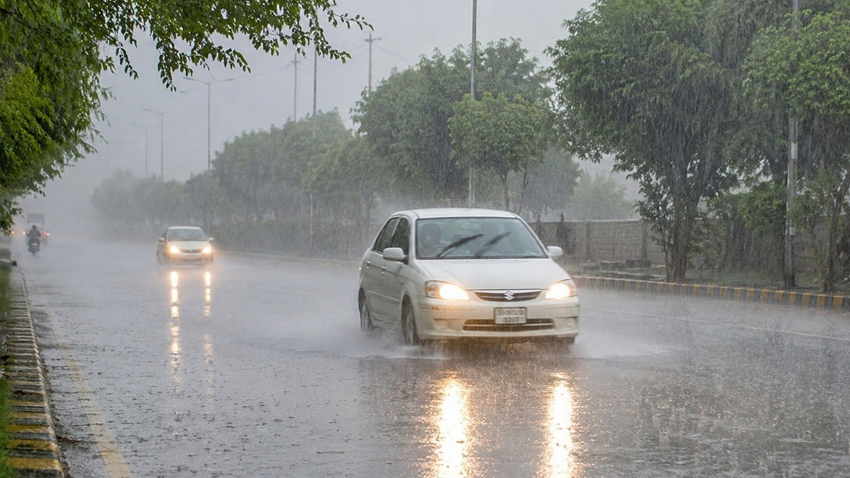
Urban flooding risk rises in Punjab
The PMD has warned of possible urban flooding and water accumulation in several cities following heavy downpours.
Rawalpindi, Islamabad, Jhelum, Gujrat, Gujranwala, Sialkot and Narowal are among the areas facing a potential flooding risk.
Residents in low-lying areas have been advised to remain cautious, as intense rainfall can quickly overwhelm drainage systems. The weather conditions may also affect road traffic and create difficulties for commuters in areas receiving heavy showers.
Lahore and other Punjab districts to receive rain
Several districts across Punjab are expected to receive rain and thunderstorms during the current weather spell.
The affected areas include Attock, Chakwal, Gujranwala, Gujrat, Hafizabad, Jhelum, Khushab, Lahore, Mandi Bahauddin, Mianwali, Narowal, Rawalpindi, Sargodha, Sheikhupura and Sialkot.
The intensity of rainfall may vary from one area to another, with some locations likely to receive heavier showers. Residents are advised to follow weather updates and avoid unnecessary travel during periods of intense rainfall.
Heavy rain expected in Khyber Pakhtunkhwa
Several districts of Khyber Pakhtunkhwa are also likely to experience rain and thunderstorms.
The forecast includes Abbottabad, Bajaur, Buner, Charsadda, Mansehra, Mardan, Nowshera, Peshawar, Swat and Dir.
The PMD has particularly warned of rising water levels in streams and nullahs across the province. Water levels could rise in waterways connected with the Kabul River, creating additional risks for communities living near vulnerable areas.
River flows may increase
The Flood Forecasting Division says water flows in the Indus, Jhelum, Chenab and Ravi rivers could increase slightly over the next 24 to 36 hours. Low-level flooding has already been reported at some locations along the Indus River.
However, flows in the other major rivers remain within normal levels, according to the division. The expected increase in river flows will be closely monitored as the monsoon spell continues in the upper regions.
Tarbela reaches maximum conservation level
The latest assessment also highlights the water storage situation at the country’s major reservoirs. Tarbela Dam is currently at its maximum conservation level, while Mangla Dam is holding around 78% of its storage capacity, according to the Flood Forecasting Division.
Also Read: Jaffar Express service suspended in Balochistan
The water situation remains important, as additional rainfall in upper catchment areas can affect river flows and reservoir levels. Authorities continue to monitor rainfall, river conditions and water levels during the ongoing monsoon spell.
Rain also expected in northern areas
Rain is also expected at isolated places in parts of Gilgit-Baltistan and Balochistan. The weather system is therefore likely to affect several regions, although the intensity and coverage of rainfall will differ.
The PMD continues to monitor the situation and issue weather forecasts and alerts as conditions develop. Citizens in areas under the weather warning are advised to stay updated through official forecasts.
Authorities issue safety advice
Authorities have advised citizens to avoid unnecessary travel during heavy rainfall. People living in low-lying areas should remain particularly cautious and keep themselves informed about local weather and flooding conditions.
Residents have also been advised to stay away from rivers, streams and nullahs during periods of heavy rain. Such waterways can become dangerous quickly when rainfall causes water levels to rise. Drivers should also exercise caution on roads affected by water accumulation and poor visibility.
Monsoon activity expected to weaken
According to the forecast, the current rainy spell is likely to continue until September 5. Monsoon activity is expected to weaken from September 6, bringing some relief to areas currently facing heavy rainfall.
However, the risk of urban flooding and rising water levels remains a concern while the current spell continues. Authorities are expected to keep monitoring vulnerable districts, rivers and waterways during the remaining period of the weather system.


