

Petroleum minister explains reasons behind fuel price hike
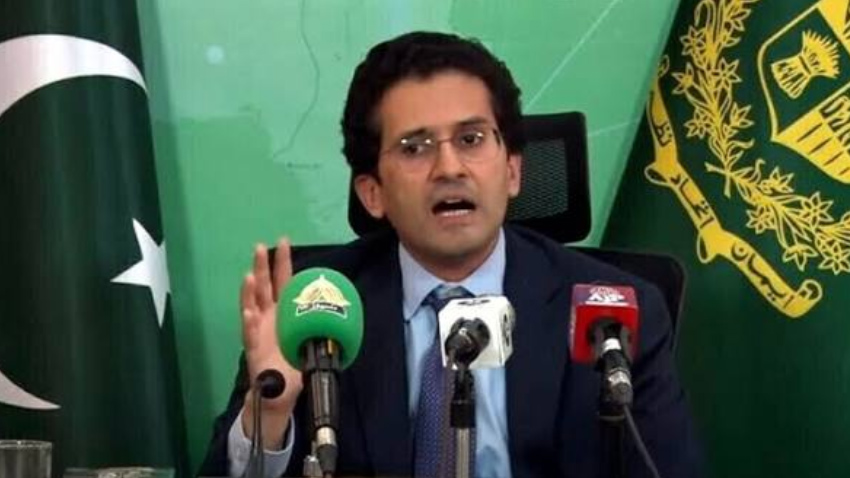
The minister said international oil prices have risen significantly over the past two weeks, making it difficult for the government to keep domestic petroleum prices stable.
He said setting fuel prices is not a simple process under the current circumstances because international oil markets remain highly volatile. According to him, Pakistan cannot make pricing decisions in isolation while regional tensions continue to affect global energy markets.
Ali Pervaiz Malik also said petroleum dealers are demanding an increase in their profit margin from the current 8 percent, adding further pressure to the fuel pricing mechanism.
“On one hand, global oil prices are witnessing significant volatility, and on the other, if petrol pumps also become a point of pressure, the situation will become even more difficult,” the minister said.
He added that markets may be anticipating possible disruptions in fuel supplies, which is also contributing to uncertainty in petroleum pricing. Responding to a question, the minister said the government is reviewing petroleum prices on a daily basis and is sharing pricing details with the public in a transparent manner.
Also Read: Govt raises kerosene oil price in Pakistan
Speaking about the refinery sector, Ali Pervaiz Malik said the government is encouraging local refineries to process imported crude oil into locally refined diesel to reduce the country’s dependence on imported fuel.
He said the updated refinery policy has already been submitted. The minister added that local refineries had been operating under an IPP-style model until 2002 and that the country would have faced a much more severe energy crisis if they had not remained operational.
Ali Pervaiz Malik further said the prime minister has approved a gradual reduction in customs duty (DM duty) under the refinery policy. Under the new plan, the duty will be reduced by 2.5 percent every six months.
The minister said these measures are aimed at strengthening Pakistan’s refining sector, improving fuel security and reducing the country’s long-term dependence on imported petroleum products.