

Pakistan, Iran make ‘significant progress’ in peace talks
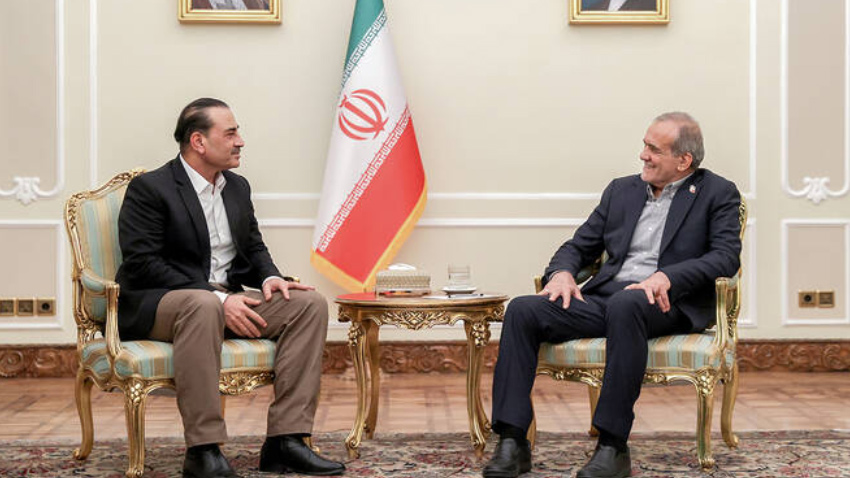
Pakistan and Iran have made ‘significant progress’ in high-level talks focused on the US-Iran conflict, rising tensions in the Middle East and possible steps towards peace.
Interior Minister Mohsin Naqvi said the discussions were positive and productive following a meeting with Iranian President Masoud Pezeshkian.
Chief of Army Staff and Chief of Defence Forces Field Marshal Asim Munir also took part in the talks during his day-long visit to Tehran.
Mohsin Naqvi describes talks as positive
Naqvi said he and Field Marshal Munir had a “very positive and productive” meeting with the Iranian president.
He said the discussion covered the Iran-US conflict, tensions in the Middle East and possible steps towards resolving the crisis. The two sides also discussed measures needed to restore the Islamabad MoU and use it as a basis for a broader settlement.
Naqvi said the Iranian president openly shared his government’s views and concerns during the meeting. He described the exchange as constructive and said both sides discussed the main issues in detail.
‘Significant progress’ reported in negotiations
According to Naqvi, the meeting ended on a highly positive note after the two sides made ‘significant progress’.
He expressed hope that the momentum from the talks would lead to further diplomatic progress.
Naqvi also said the discussions could help pave the way for lasting peace in the region. The remarks came as Pakistan continues to position itself as a supporter of dialogue and peaceful conflict resolution.
Asim Munir holds meetings with Iranian leadership
Field Marshal Asim Munir held several high-level meetings with Iranian leaders during his visit to Tehran.
According to the Inter-Services Public Relations (ISPR), he met Iranian President Masoud Pezeshkian and the Supreme Leader’s representative on the Supreme National Security Council, Mohsen Rezaei.
He also met Iranian Parliament Speaker Mohammad Bagher Ghalibaf, Foreign Minister Abbas Araghchi and Interior Minister Eskandar Momeni. The meetings focused on regional security, the ongoing conflict and possible diplomatic solutions.
Pakistan pushes for de-escalation
ISPR said the Pakistani delegation’s discussions focused on preventing further escalation and finding ways to bring the conflict to an end. The reopening of the Strait of Hormuz was also discussed during the meetings.
The strategic waterway is important for global energy supplies, making any disruption a major regional and international concern. Pakistan has continued to call for dialogue and negotiations instead of further military escalation.
Iran appreciates Pakistan’s diplomatic role
According to ISPR, Iranian leaders appreciated Pakistan’s constructive role and efforts to facilitate dialogue. The Iranian leadership also acknowledged Islamabad’s efforts to support de-escalation and a peaceful resolution of the conflict.
Also Read: Three Adiala inmates seek private care after Imran Khan court order
Pakistan has maintained that diplomatic engagement is necessary to address outstanding disputes and prevent the situation from worsening. The latest talks provide another opportunity for Islamabad to engage with Tehran at a sensitive time.
Islamabad MoU remains part of peace efforts
The visit also comes amid Pakistan’s continued mediation efforts between Iran and the United States under the Islamabad MoU. Pakistan has described the agreement as a framework for dialogue and a peaceful resolution of outstanding issues.
Naqvi said the discussions included steps needed to restore the MoU and move towards a comprehensive settlement. The development could provide a diplomatic avenue for further discussions if both sides maintain the current momentum.
US-Iran tensions remain high
The talks take place amid heightened tensions between Iran and the United States. Tehran has threatened a military response to planned US sanctions, which could place further pressure on Iran’s already troubled economy.
The continuing tensions have also raised concerns about wider instability in the Middle East. Pakistan’s diplomatic engagement comes as Islamabad seeks to prevent further escalation and encourage a negotiated solution.
Pakistan seeks lasting regional peace
Pakistan has repeatedly expressed its desire for lasting peace and stability in the Middle East. The government has said it is prepared to use its diplomatic channels to support dialogue between the parties involved.
The latest visit reflects that approach, with senior Pakistani officials holding direct talks with Iran’s political and security leadership. Islamabad hopes continued engagement can create space for negotiations and help reduce tensions.


