

Pakistan Economy Expected To Grow Above 4pc Despite Oil Shock
Bangkok, October 14
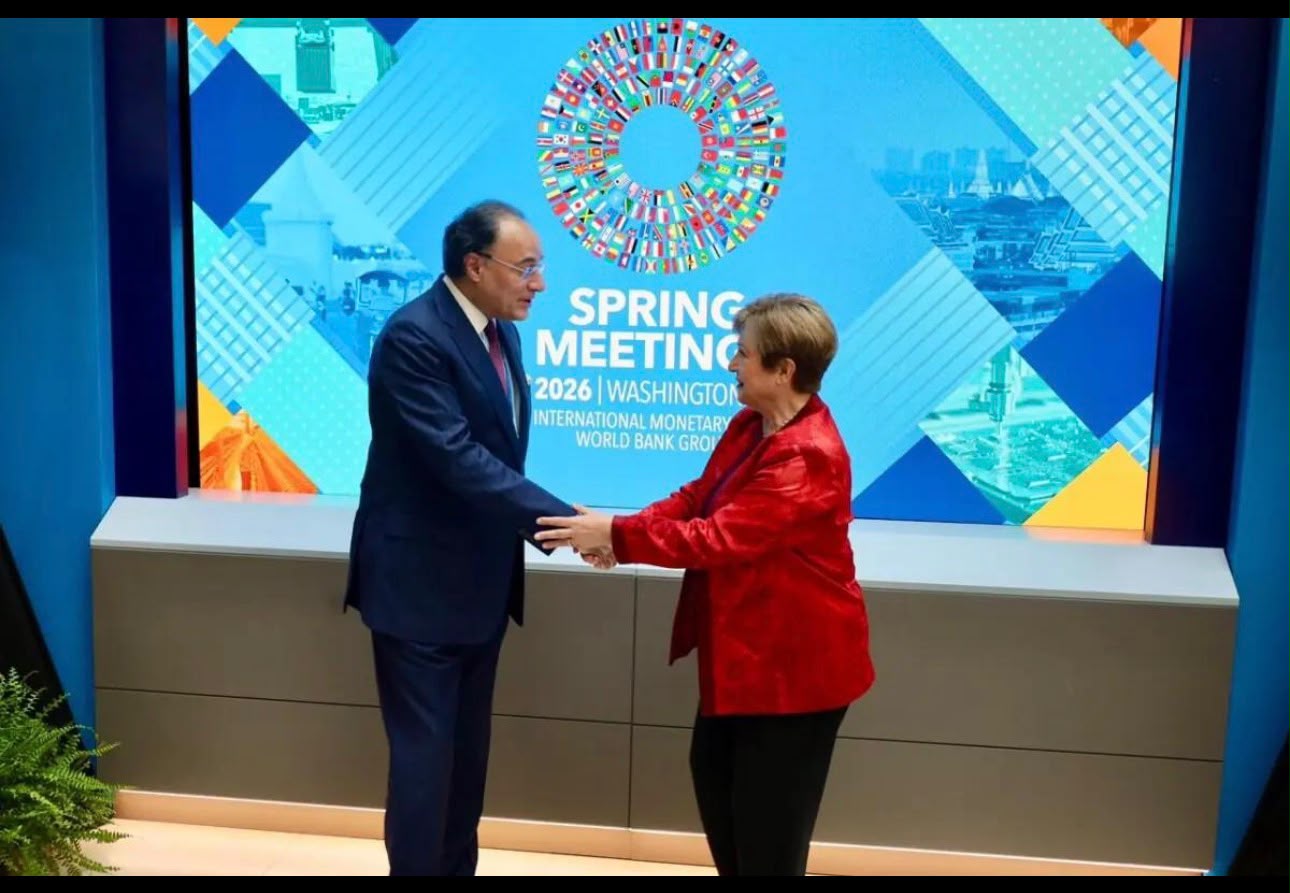
Pakistan’s economy could grow by more than four per cent during the current fiscal year despite elevated international oil prices, Finance Minister Muhammad Aurangzeb has said. Speaking to Reuters on the sidelines of the annual meetings of the International Monetary Fund and World Bank in Bangkok, he said he remained confident about the country’s growth prospects.
Privatisation Plans
Aurangzeb said the government was looking to privatise five to six state-owned entities during the year, a process that could raise more than $1 billion. The plan forms part of broader efforts to reduce pressure on public finances and improve the performance of government-owned businesses.
Energy Risks
Pakistan remains vulnerable to a prolonged Middle East conflict because it depends on Gulf energy imports, remittances and financing support from the region. A sustained rise in oil prices could increase import costs, place pressure on foreign exchange reserves and complicate efforts to control inflation. The minister said the country had secured adequate fuel supplies and avoided shortages, while key sectors such as agriculture had remained resilient.
Also Read: IMF Projects Pakistan Growth At 3.5pc, Inflation Near 10pc
A More Cautious Forecast
The government’s growth expectation is more optimistic than the IMF’s latest projection of 3.5 per cent for fiscal year 2026–27. The Fund also expects inflation to rise to 9.9 per cent and the current account to return to deficit, highlighting the uncertainty facing policymakers.
Balancing Stability And Growth
Pakistan’s economic performance will depend on energy prices, export receipts, investment and the pace of structural reforms. Privatisation could attract capital and improve efficiency if transactions are transparent and sustainable. However, growth alone may not ease household pressure unless it translates into more jobs, stable prices and improved purchasing power.


