

Pakistan condemns drone attacks on Saudi pipeline
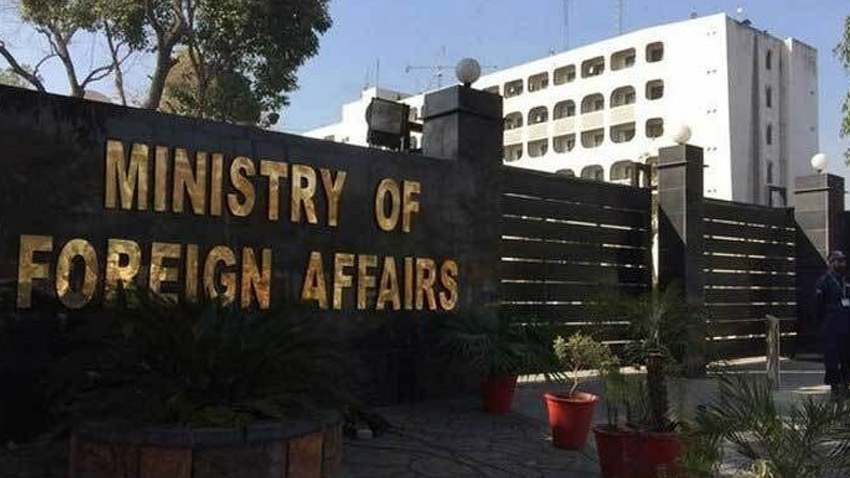
The attacks targeted the important oil pipeline in the Riyadh and Madinah regions and caused damage and injuries, according to reports. Pakistan said attacks on civilian infrastructure threaten regional peace, security and stability.
Pakistan reaffirmed its support for Saudi Arabia’s sovereignty, territorial integrity, security and prosperity. It also reiterated its solidarity with the Saudi leadership, government and people.
Why the Saudi pipeline attack matters
The East-West Pipeline is one of Saudi Arabia’s most important oil transport routes.
The 1,200-kilometre pipeline carries crude oil from the kingdom’s oil-producing areas in the east towards the Red Sea port of Yanbu. The route has become particularly important because it allows Saudi Arabia to move oil without relying completely on shipping through the Strait of Hormuz.
The pipeline has recently been carrying around 4 million to 5 million barrels of oil per day, according to analysts and shipping data cited in current reports. This is equivalent to roughly 4% to 5% of global oil supply.
Saudi Arabia temporarily shuts pipeline
Saudi Arabia temporarily shut down the East-West Pipeline after it was targeted by several attacks in the Riyadh and Madinah regions. The Saudi Energy Ministry said the shutdown was taken as a precaution.
Several people were injured in the attacks and received medical treatment, while emergency and specialist teams were deployed to secure the pipeline and assess the situation. Saudi authorities said the attacks involved drones launched from Iraq.
Riyadh has so far decided not to retaliate immediately following a request from the Iraqi government, while reserving the right to take necessary measures to protect its security and vital infrastructure.
Pakistan calls attacks a threat to regional stability
Pakistan said targeting civilian infrastructure was a serious violation of international law. It also described the attacks as a threat to Saudi Arabia’s sovereignty and territorial integrity.
Islamabad said such incidents could further increase tensions in the region at a time when several major conflicts and security challenges are already affecting the Middle East. Pakistan reaffirmed that it would continue efforts aimed at promoting lasting peace and stability in the region.
Iraq launches investigation into drone attacks
The reported attacks have also increased pressure on Iraq.
Saudi Arabia said the drones targeting the pipeline originated from Iraqi territory. The Iraqi government condemned the attack and launched an investigation into how the drones were able to be launched from its territory.
Iraq also dismissed a military commander responsible for operations in Maysan province after an investigation linked the attacks to a location in the southern province. The developments have raised concerns about the possibility of the conflict spreading further across the region.
Pipeline offers an alternative to Strait of Hormuz
The East-West Pipeline has gained greater importance because of disruptions around the Strait of Hormuz.
The strategic waterway is a major route for global oil shipments. Any prolonged disruption there can put pressure on energy supplies and push prices higher. Saudi Arabia has used the East-West route as an alternative way to move crude oil towards the Red Sea and reduce its dependence on the Strait of Hormuz.
Also Read: Goods transporters announce 5% hike in freight rates
This makes the pipeline a critical part of the kingdom’s energy infrastructure. Any major and prolonged disruption to the route could therefore have consequences beyond Saudi Arabia.
Oil markets face fresh pressure
The pipeline attack has added another risk to already tight energy markets. The Middle East is facing wider disruptions to oil production and shipping routes, while attacks and security threats are affecting important energy infrastructure.
Current reporting shows that global oil prices have remained under pressure from the wider regional conflict, with crude prices recently moving around or above the $100-per-barrel level.
A prolonged shutdown of the Saudi pipeline could add further uncertainty to global energy supplies. Higher oil prices could also increase transportation and production costs in countries that depend heavily on imported fuel.
Regional tensions continue to grow
The attack comes as security tensions are rising across the Middle East. Houthi forces in Yemen have also increased pressure around the Red Sea, another major route for international shipping.
The combination of disruptions around the Strait of Hormuz and the Red Sea has created additional risks for oil shipments and other commercial traffic. The situation has increased concerns about the security of major energy routes across the region.
Pakistan stresses support for Saudi Arabia
Pakistan has repeatedly expressed support for Saudi Arabia during regional security crises. Islamabad has maintained that attacks on the kingdom’s territory and vital infrastructure are unacceptable and threaten regional stability.
The latest condemnation again underlines Pakistan’s close ties with Saudi Arabia. Pakistan said it would continue working for peace and stability in the region while reaffirming its support for Saudi Arabia’s security and sovereignty.
What happens next?
The immediate focus will remain on the security of the East-West Pipeline and efforts to restore its operations. Saudi authorities are assessing the damage and monitoring the situation before deciding on further measures.
Iraq is also under pressure to prevent its territory from being used for attacks against neighbouring countries. The wider regional conflict could determine how long the disruption continues and whether energy markets face further pressure.


