
Oil Tankers Association sets 72-hour deadline over fuel policy
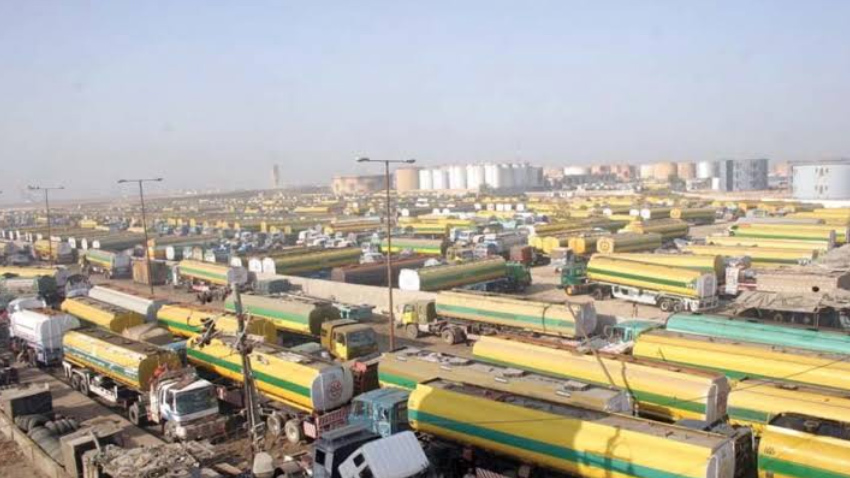
Speaking at a joint press conference, association leaders said the Ministry of Petroleum and the Oil and Gas Regulatory Authority (OGRA) would be responsible for any disruption caused by the proposed strike.
The association demanded the immediate withdrawal of the commercial loading policy, saying it has created serious operational and financial challenges for the oil transport sector. Association representative Abidullah Afridi said oil tanker freight rates have remained unchanged for the past three years despite a sharp increase in operating costs.
He added that motorway and National Highway Authority (NHA) toll charges have increased by 180 percent, making it difficult for transporters to continue operating under the existing freight rates. The association urged the government to revise freight charges in line with the increased toll charges.
Meanwhile, the Dumpers Association has also rejected the government’s proposal to adjust petroleum prices on a daily basis, saying the move would create uncertainty across the transport sector.
Association President Haji Liaquat Mehsud said daily changes in fuel prices would disrupt transport operations, affect business planning and create uncertainty for transporters. He warned that frequent fuel price revisions could increase transport fares, slow construction activities and disrupt the supply of essential goods, placing an additional financial burden on the public.
Also Read: Pakistan fuel prices soar as daily revisions push petrol, diesel higher
Mehsud urged the government to withdraw the proposal and introduce a stable and practical fuel pricing mechanism. He warned that the association would announce its future course of action if the decision is not reconsidered.
The latest warnings came a day after the Oil and Gas Regulatory Authority (OGRA) increased petrol and high-speed diesel prices for one day.
Under the revised rates, the price of petrol increased by Rs6.39 per litre to Rs327.12 per litre. The growing disagreement between transporters and the government has raised concerns about possible disruptions to fuel supplies if negotiations fail to produce a solution.