

India releases Chenab water as flood risk rises in Pakistan
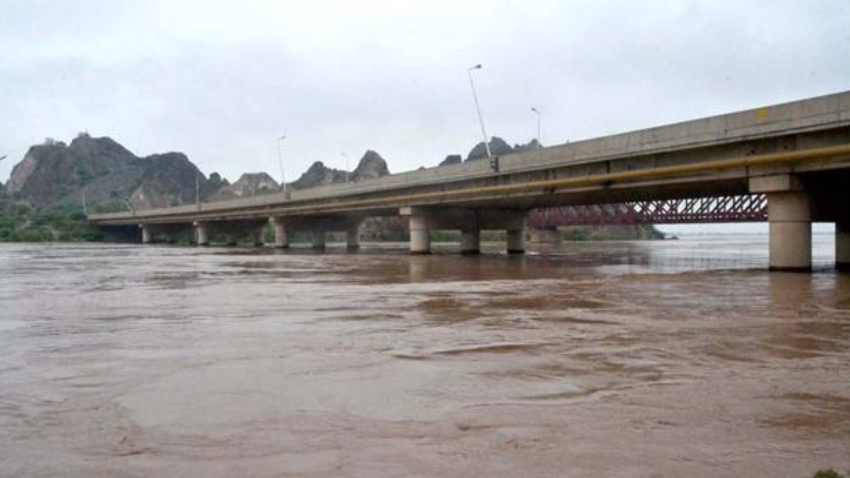
India has released water into the Chenab River without prior notice to Pakistan, causing water levels to rise sharply and increasing the risk of flooding in several parts of Punjab, according to Pakistani authorities.
The Flood Forecasting Division said the water flow at Head Trimmu in Jhang reached 148,000 cusecs on Friday. Officials added that the floodwater released from India was expected to reach the area later that day.
According to irrigation authorities, the floodwater was passing through Chiniot, where the Chenab River recorded a flow of 236,000 cusecs, creating a high-level flood situation. The Punjab Irrigation Department said India had opened all the gates of the Salal Dam, significantly increasing the flow of water in the Chenab River and raising concerns about flooding in several areas of Pakistan.
Officials said high-level flooding was reported at Head Khanki and Qadirabad, while medium-level flooding was recorded at Head Marala, Balloki and the Basantar stream in Narowal. Low-level flooding was also reported at Tarbela, Chashma, Mangla, Nowshera, Chiniot Bridge and the Dhek stream. Water levels at Tarbela and Mangla dams were recorded at 1,519.11 feet and 1,183.90 feet, respectively.
Authorities said water levels at Head Marala, Khanki, Qadirabad, Mangla, Lahri and Balloki continued to rise. Relevant departments have begun emergency preparations to deal with any possible flood situation. Earlier, Federal Minister for Planning Ahsan Iqbal accused India of deliberately releasing excess water from its dams without giving Pakistan timely warning.
Also Read: Low-level flooding reported at key Indus River points: PDMA
“India has started using water as a weapon and has caused widespread flooding in Punjab,” Ahsan Iqbal said. He described the release of floodwater as the “worst example of water aggression” and said it posed a serious threat to lives, property and livelihoods.
Meanwhile, according to a Reuters report, at least 82 people have died after heavy rains affected northeastern India, Pakistan and Afghanistan this week. Flooding has also caused widespread damage to farmland, infrastructure and public facilities across the region.
Authorities have urged residents living near rivers and low-lying areas to remain alert, follow official advisories and take precautionary measures as water levels continue to rise.