

IMF asks Pakistan to end fuel subsidy scheme
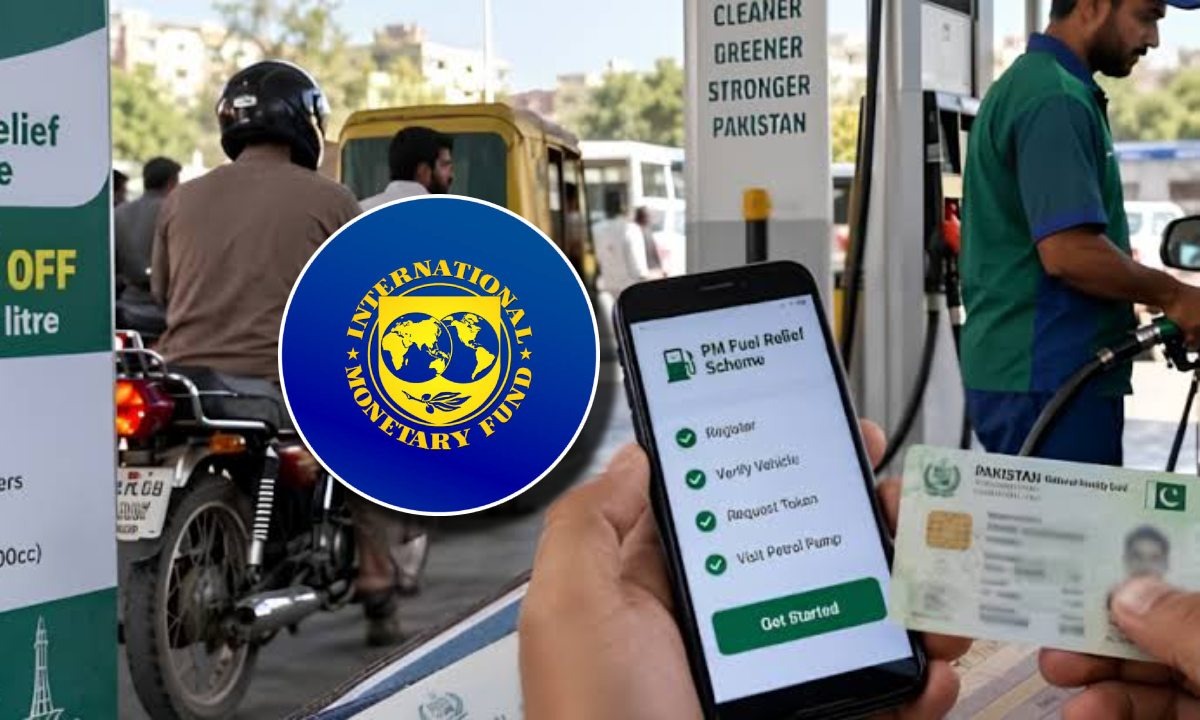
IMF wants fuel subsidy scheme phased out
The International Monetary Fund (IMF) has asked Pakistan to end its broad fuel support programme because of the high cost to the national budget.
The IMF fuel subsidy Pakistan issue has become important as the Fund wants the government to reduce spending. It has called for the Pakistan fuel subsidy scheme to be phased out as soon as possible and not expanded further.
The Fund says providing fuel relief to a large number of people can put extra pressure on government finances. However, it has not completely ruled out future assistance.
Who could receive fuel relief?
Under the IMF’s proposed approach, future assistance should go only to selected beneficiaries who need it most. The IMF fuel subsidy Pakistan policy could therefore shift towards targeted support rather than broad relief.
The Fund says assistance may be provided if international oil prices rise unexpectedly, but it must be limited to a specific period and delivered through existing social assistance systems.
Any future support must also remain within Pakistan’s approved budget for the 2026-27 financial year. The Pakistan fuel subsidy scheme is not expected to expand under the IMF’s recommendations.
$1.21 billion financing deal
The IMF’s demand comes as Pakistan has reached a staff-level agreement with the Fund on its latest economic review.
The IMF Pakistan deal could unlock around $1.21 billion IMF financing for the country. However, the money will not be released until the IMF Executive Board gives its formal approval.
The IMF Pakistan deal is important as the country continues efforts to meet the conditions of its economic programme and manage financial pressures.
Also Read: Doctors shut clinics in Pakistan over FBR tax row
More energy sector reforms expected
The IMF has also called for further reforms in Pakistan’s energy sector. These include improving the recovery of unpaid bills, reducing losses and lowering the cost of producing energy.
The measures aim to improve the financial position of the energy sector and reduce pressure on the government budget.
The Fund has also urged the State Bank of Pakistan to maintain a sufficiently tight monetary policy to bring inflation back towards its target range. It has stressed the need to strengthen foreign exchange reserves.
What this means for Pakistan
The $1.21 billion IMF financing agreement could provide support to Pakistan once approved. However, the government must continue implementing reforms under its programme.
The fuel relief Pakistan policy could also change if authorities move towards helping selected low-income households instead of providing broad support.
The IMF fuel subsidy Pakistan recommendations may affect how people receive assistance if fuel prices rise. Any future fuel relief Pakistan programme would need to follow budget limits and the Fund’s conditions.
The IMF Pakistan deal still requires formal approval, while the $1.21 billion IMF financing remains subject to that decision.


