

Half of region's extreme poor live in Pakistan
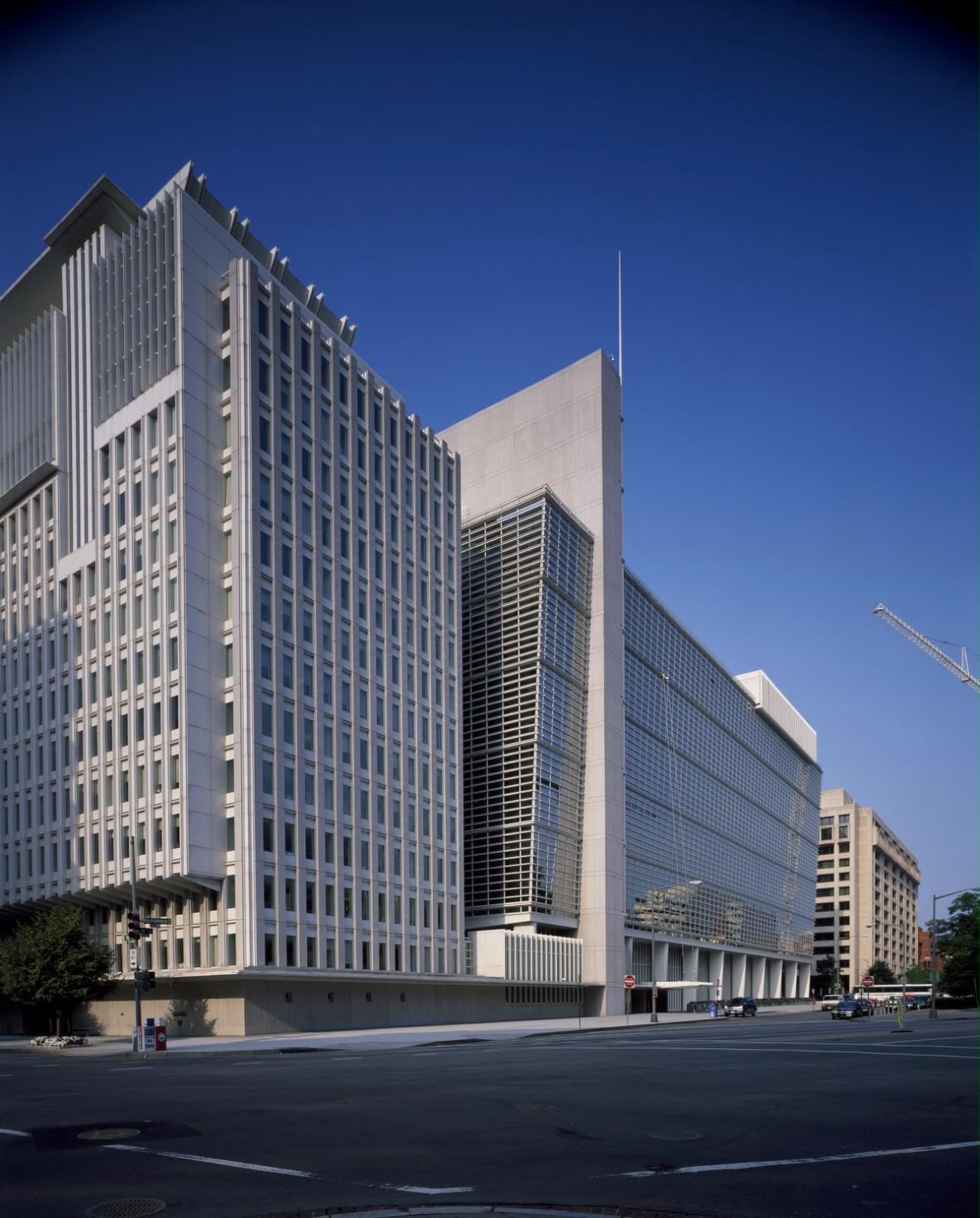
A sobering regional picture
The World Bank has warned that Pakistan is home to almost half of the extremely poor people in the Middle East, North Africa, Afghanistan and Pakistan region, known as Menaap. The finding appears in the lender's latest Economic Outlook, released on Tuesday ahead of the IMF-World Bank annual meetings next week. Analysts note that poverty remains concentrated in Pakistan because of its large population and repeated shocks, including pandemic disruption, the devastating 2022 floods and record inflation, which stalled progress after 2015.
Growth and deficit forecasts
The bank projects Pakistan's economy will grow 3.8 per cent this fiscal year, with the fiscal deficit at 3.5 per cent of GDP. Earlier World Bank assessments have cautioned that growth at such a pace may be too slow to cut poverty meaningfully, citing weak rural incomes, stagnant agriculture and widespread informal employment.
El Nino and food prices
The report says a stronger-than-usual El Nino expected in late 2026 could push up food prices and hurt poor households. Pakistan is directly exposed because of shifting monsoon conditions. Oil-importing economies such as Pakistan, Egypt, Jordan, Morocco, Tunisia and Djibouti also remain vulnerable to energy shocks. Food insecurity is particularly acute in the West Bank, Gaza and Yemen, with added pressure in Afghanistan, Lebanon and Pakistan.
The policy challenge
For policymakers in Islamabad, the message is clear: macroeconomic stabilisation alone will not lift millions out of deprivation without faster, broader and more inclusive growth, stronger social safety nets and better jobs.


